
Best Chemotherapy
Look at all that is NEW to this edition: • New focus on Personalized Medicine includes specific recommendations on the personalization of treatment and guidelines for integration of pharmacogenomic testing and implementation in practice. • New chapter on Travel Health. • Extensively revised chapter on pulmonary arterial hypertension reflect the latest drugs and guidelines. • Monthly updates on AccessPharmacy, keeps the content fresh and current. • More than 20 online-only chapters, in addition to print. • New interior design, keeps information flowing and makes chapters concise and to the point. • Companion Handbook is ranked #1 in Chemotherapy on Amazon, and includes clearly-stated goals of therapy; the new Tenth Edition Casebook, includes 150 + revised and updated cases. • All chapters have been updated to provide the most current, reliable, and relevant information possible. • Key Concepts at the beginning of each chapter. • Clinical Presentation Tables summarize disease signs and symptoms. • Clinical Controversies Boxes examine the complicated issues faced by students and clinicians in providing drug therapy. • Color coded diagnostic flow diagram, treatment algorithms, dosing recommendations, and monitoring approaches clearly distinguish treatment pathways. • Most disease-oriented chapters include updated evidence-based treatment guidelines that often include ratings of the level of evidence to support the key therapeutic approaches. Barbara G. Wells, PharmD, FASHP, FCCP, BCPP (Jackson, MI) Former. Dean and Professor, Executive Director of the Research Institute of Pharmaceutical Sciences, University of Mississippi School of Pharmacy.
Reviews
Find Best Price at Amazon"This book is a great resource to own and very comprehensive."
"I wish if it comes in two or three volumes."
"Needed an new edition as a refresher as it's been 14 years since graduation from pharmacy school."
"I love this book, contains a lot of good information on pharmacology."
"E-chapters are in a terrible format, especially if you want to print chapters."
Includes the popular and proven "Focus on" theme for drug use across the lifespan, cultural and gender considerations, evidence-based practice, patient teaching, herbal and alternative therapies and dosage calculation; including "Focus on Safe Medication Administration;" and a "Drugs in Focus" table for each classification of drugs. Focused content and focused features equal a focused student.
Reviews
Find Best Price at Amazon"Make sure that whatever copy you buy, has an unused code."
"This is a great reference book!"
"I passed my final so the book is a god send."
"not really a purchase by choice but the cheapest one I could find."
"The kindle x-ray feature is also not available for this book."
"great kindle book but no page numbers makes it hard to cite for apa also cannot download it to more than three devices so when I got my new ipad i cant get to the book so buy the regular book if for collegel."
"For the price I cant complain but it was a mess."
This proven resource reviews and integrates students’ baseline knowledge of physiology, pathophysiology, chemistry, and nursing fundamentals into chapters focused on “need to know” concepts about each group of drugs. Focus on Calculations reviews help students hone calculation and measurement skills while learning about the drugs for which doses might need to be calculated. Focus on Nursing Pharmacology, Seventh Edition, is also incorporated into Lippincott CoursePoint+ , a dynamic learning solution that integrates this book’s curriculum, adaptive learning tools, virtual simulations, real-time data reporting, and the latest evidence-based practice content together into one powerful student learning solution.
Reviews
Find Best Price at Amazon"It was Very helpful....I would definitely rent from this company again."
"We just had this book delivered for my daughter who’s starting her RN program."
"exact product i needed for school, good quality."
"I almost returned item because it was placed on the other side."
"While it is not my favorite pharmacology book."
"I was at first in love with this book but my nursing cohort and I have found NUMEROUS errors!"
Best Rheumatology
Other features include a new section on post-polio syndrome, additional case studies comparing Guillain-Barré to polio muscle tests, a new full-color design, and a first-of-its-kind chart of upper extremity articulations.
Reviews
Find Best Price at Amazon"This is one of my favorite books about muscles!"
"exactly as described and depicted."
"The go to resource for muscle testing!"
"Exactly as advertised and what we wanted."
"Quite comprehensive book for the layman and professional alike."
Best Hematology
“I just finished reading your chapter about the normocytic anemias caused by hemoglobinopathies, and it was so fascinating that I forgot that I was actually studying!
Reviews
Find Best Price at Amazon"If you are truly serious about learning hematology for practical application, get a real textbook and leave this starter one for others."
"Great from a CLS perspective."
"Good price and recieved it on time."
"perfect for my mlt class."
"Receive this rental and due to the writing of the last person using it, you can barely see the text in the book."
"This text is not well written."
Best Anesthesiology
Here’s why Clinical Anesthesiology is the best anesthesiology resource: David C. Mackey, MD is Professor, Department of Anesthesiology and Pain Medicine at MD Anderson Cancer Center, Houston, Texas.
Reviews
Find Best Price at Amazon"Highly recommended for anyone who wants to become an anesthesiologist."
"My favorite anesthesia text, I use this classic as my first go to reference!"
"I have relied on this text for years and will continue to do so."
"If I only have time to do one assigned text reading, this is the one I do."
"Did not arrive brand knew, some damage to the cover and the first 20 pages."
"Text is superb."
"Replaced an old text with a newer one, Always has been a great reference."
Best Dermatology
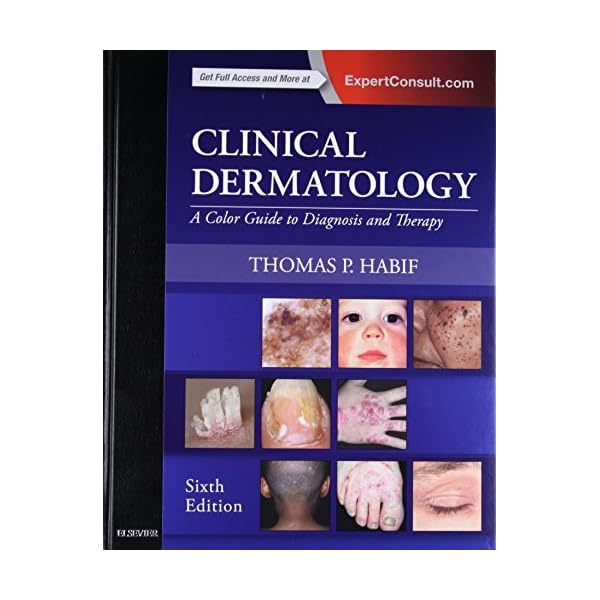
Identify, treat, and manage the full range of skin diseases with guidance from Clinical Dermatology: A Color Guide to Diagnosis and Therapy the worlds leading dermatology manual. Prescribe effective dermatologic treatment with an expanded formulary to the most commonly used drugs; detailed guidance on the use of antibiotics; and the inclusion of the latest drug treatment options. "Dermatology books lend themselves well to providing the reader with a rich, educational and visual experience and this outstanding book is no exception.
Reviews
Find Best Price at Amazon"Very good book, but text book like for dermatology boards ."
"Very great book."
"Great book!"
"This is a great go to resource for any clinician."
"Excellent book!"
"If you are a medical student doing a derm rotation or plan on entering a primary care residency, this book is THE book to own."
"This is the best dermatology book available."
Best Cardiology
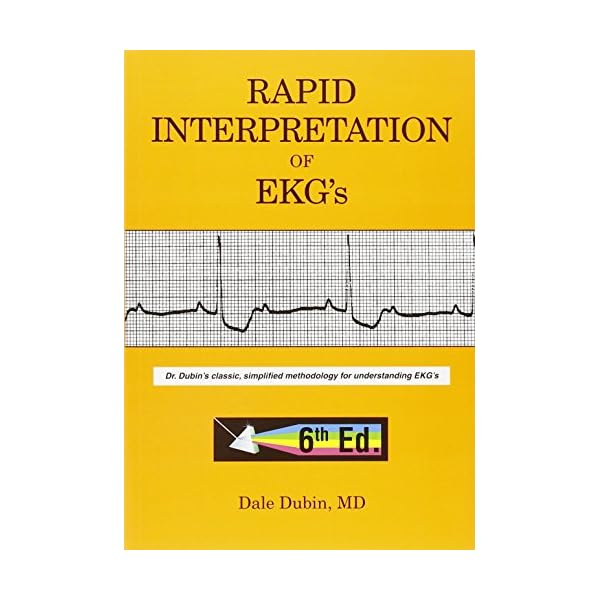
A caption explains the concept illustrated on each page, and a few simple sentences reinforce the concept with interactive (programmed) learning, which links to the following page.
Reviews
Find Best Price at Amazon"I had this before and somehow replaced it."
"Will make you a master at reading and interpreting EKGs."
"Excellent book!"
"Explained simply and the practice of writing answers in this workbook helps to put the principles to memory."
"It has blanks on each page for you to write answers in to just make sure you're understanding as you're reading. lol The book has like 300-something pages, so it's not exactly a "rapid" process to read, but once you do, you're set!"
"I'm a pre med student and every doctor, resident, med student, PA, and EMT I've talked to says this is the number 1 book to learn interpretation of EKG."
"Dr Dubin takes you by the hand and spoon feeds you information at the perfect pace so that when you start learning the actual interpretation methods, it makes sense."
"Will help you not just read EKGs but also give you a fundamental understanding of WHY the readings present the way they do.Most of the Paramedics and paramedic students I know make a point of reading this book at some point."
Best Psychiatry
This new edition of the American Psychiatric Association's Diagnostic and Statistical Manual of Mental Disorders (DSM-5), used by clinicians and researchers to diagnose and classify mental disorders, is the product of more than 10 years of effort by hundreds of international experts in all aspects of mental health.
Reviews
Find Best Price at Amazon"I’m not reviewing the book."
"The DSM 5 is a required reading for my mental health and psychopathology."
"The only thing wrong with mine was that the cultural formulation section was upside down!"
"Is perpetually going through changes as we learn more and more about mental disorders."
"It's the DSM."
"This manual will be very helpful for many years to come."
"Yes so happy I was able to get this book really needed it for my abnormal behavior class I'm taking 🙏🏾."
Best Ophthalmology
One-stop reference to more than 6,000 of the most frequently used terms, phrases and abbreviations associated with the eye and vision. Ideal for use by ophthalmic aides, technicians and secretaries who must use optometric and ophthalmological expressions in correspondence and record keeping.
Reviews
Find Best Price at Amazon"The Dictionary of Eye Terminology is an excellent resource for my career in Vision Care!"
"This was my bible in the optometrists office!"
"I had been out of Ophthalmology for about 10 years so I had forgotten a lot of things."
"wonderful dictionary."
"Very helpful in my husbands career."
"I work in the ophthalmic health field, and I use this book nearly everyday!"
"I purchased this book several years ago for my staff."
"As a Teacher of the Blind and Visually Impaired as well as getting my certification in TVI, this book has helped me tremendously in both my job and course work!"
Best Surgery
In gripping accounts of true cases, surgeon Atul Gawande explores the power and the limits of medicine, offering an unflinching view from the scalpel's edge.
Reviews
Find Best Price at Amazon"Love this author-have several of his books now-Checklist Manifesto I've read over and over."
"Good writing."
"TV medical shows may warp our perception of doctors in the real world, this book gives us a perspective of how a doctor (a surgeon) view their practice and care."
"Excellent book and a good insight for premedical students."
"I've read all 4 of Gawande's books and would read another if he made it."
"I loved this book!"
"Having been in a "complication" myself through surgery, I read this with an eager eye, and now have a better understanding of what it means to be a doctor, to make decisions "on the hoof" and bear the consequences of those decisions."
"No one said a life in medicine is an easy life, but nothing in this world that's worth having comes easy."
Best Nephrology
Concise handbook on solving problems concerning complex fluid, electrolyte, and acid-base complications. Associate Professor of Clinical Medicine and Nephrology; Director, Div of Clinical Pharmacology and Pharmacokinetics and Clinical Research Center, Dept of Medicine, Univ of Miami School of Medicine.
Reviews
Find Best Price at Amazon"The book is easy to grasp however at the end it's hard to retain."
"Very informative and uses true scientific and medical terms with out being "text book" ."
"I'm a second year medical student and used this book for my renal block and it was an absolute life saver!"
"One of the better Acid-Base books, strongly recommend for those looking for a simplistic way to learn Acid/Base as it pertains to the clinical setting."
"Fluids and acid-base physiology and pathology is one of the most important concepts in medicine."
"In the words of my son, "this is cooL"."
"I thought this would have a lot of helpful cartoons and diagrams like the Microbiology Made Ridiculously Simple book, but its mostly dense text."
Best Neurology
Winner of the 2015 Gold Nautilus Award in Science & Cosmology In his groundbreaking work The Brain That Changes Itself , Norman Doidge introduced readers to neuroplasticity—the brain’s ability to change its own structure and function in response to activity and mental experience. Doidge explores cases where patients alleviated chronic pain; recovered from debilitating strokes, brain injuries, and learning disorders; overcame attention deficit and learning disorders; and found relief from symptoms of autism, multiple sclerosis, Parkinson’s disease, and cerebral palsy. Neurology used to be considered a depressing discipline with patients often displaying fascinating but essentially untreatable symptoms and disabilities. The book is a treasure trove of the author’s own deep insights and a clear bright light of optimism shines through every page.”. —V. In one of the most riveting books on the human brain and its mystery powers ever written, Doidge addresses the role of alternative medical therapies to reset and re-sync the dynamic patterns of ‘energy in our brain, whit the ability to restore relatively normal health to those whose fate seems hopeless. In this age of distraction and unnatural environments and actions—like staring at screens all day—brain science offers all kinds of useful techniques to care for our infinitely complex selves. Norman Doidge’s work is a Michelin Guide to this hopeful new trove of knowledge and insight.”. — Boston Globe , USA. “Stunning . He brings a whole new level of insight into the body, brain, mind connection that will impact any reader.”. — John J. Ratey, MD, Clinical Associate Professor of Psychiatry, Harvard Medical School and author of Driven to Distraction “Bold, remarkable . The Brain’s Way of Healing is brilliantly organized, scientifically documented, and a beautifully written narrative that captivates the reader, who is left with the profound message that the brain, similar to other organs, can heal.”. —Stephen W. Porges, PhD, Indiana University Bloomington and author of The Polyvagal Theory. “Doidge’s book is filled with compelling stories about the power of ingenious technologies and disciplined awareness methods generated by innovators who transcended their own brain challenges, and who now use them to help others make radical improvements in conditions often deemed hopeless. It points to a future of remarkable and unprecedented brain healing.”. —Martha Herbert, MD, PhD, Neurologist, Harvard Medical School, and Massachusetts General Hospital, author of The Autism Revolution “ The Brain’s way of Healing is a stunner—the sort of book you want to read several times, not because it is difficult to understand, but because it opens up so many novel and startling avenues into our potential to heal. Norman Doidge enthralls us with a rich combination of lucidly explained brain research and pioneering new (and some not so new, but not widely known) approaches to recovery. With an eloquence reminiscent of Oliver Sacks, Doidge bolsters the latest advances in brain science with a series of extraordinary case histories of people for whom all hope seemed to be lost, but who healed as a result of great personal courage, and by changing the ways their bodies and brains processed sensations and movement. This hopeful book demonstrates that a variety of sensory inputs—light, sound, electricity, vibration, movement, and thought—can awaken the brain’s attention processors, and thereby allow even the most afflicted to (re)gain ownership of their lives. The book also has a number of creative integrations of the data that will be of interest to neuroscientists.”. —Edward Taub, Ph.D., Behavioral Neuroscientist, University Professor,University of Alabama at Birmingham, Director, UAB CI Therapy Research Group and Taub Training Clinic. “Everyone who has a brain could benefit from reading Doidge’s book.”. — The Columbus Dispatch “A vivid, robust and optimistic read . In friendly vignettes reminiscent of Oliver Sacks’s case studies, Doidge chronicles the heroic efforts of patients with a wide variety of apparently intractable ailments, from chronic pain to multiple sclerosis. Doidge’s penchant for considering unconventional approaches to healing offers hope for all.”. — Bookpage , USA. “Beautifully written . “A fascinating study on brain science that shows the way to major therapeutic discoveries.”. — Library Journal.
Reviews
Find Best Price at Amazon"My review of "The Brain's Way of Healing" is that of someone who experienced one of the therapies he describes, the Tomatis Method, many years before Norman Doidge's book was published. For me, this is a practical subject, and I hope to shed some light both on this book and to address the natural skepticism that one might has who has not experienced or known someone who has benefited from the type of therapies Dr. Doidge describes. After doing Tomatis, the needle lifted, I wanted to live again, and I returned to college and finished a degree program within three years after completing my initial treatment. The point remains, I went from a phase where I was not functioning to one where I was renewed and not only got back on my feet, but accomplished a task - finishing a 4-year university program - that I had been unable to do at an earlier age. Norman Doidge's book is a welcome sign of the times, a beacon of light and hope that gives these alternative therapies the respect and consideration that they deserve."
"In chapter 2, Doidge walks with John Pepper, a World War II survivor with Parkinson's disease who devised a program that enabled him to recover lost mobility and other functions. Doidge presents 4 stages of neuroplastic healing, which gives us new ways of understanding how recovery occurs. The energy provided by neurostimulation enables the brain to repair communication pathways and regain its innate capacity to regulate or "modulate" itself. Some people presented have recovered fully from autoimmune-induced blindness, dyslexia, sensory integration problems, and serious debilitating developmental delays (each detailed through case studies in later book chapters). With some symptoms and chronic diseases, people need to keep using their tools to maintain their gains but can also recover again after periods of discontinuation. At the other extreme, recovery from chronic symptoms of traumatic brain injury (TBI) began for two women within hours of initial treatment. In this setting, neurostimulation energized neurons to better modulate, allowing them to begin to communicate more effectively almost immediately."
"I fell in love with Feldenkrais again after reading about it in The Brain's Way of Healing, learning new things about a modality that I thought I was familiar with. If you have an interest in medicine, healing, psychology, psychiatry, spirituality, sound, light, movement, physics, disabilities, TBI, or compelling personal stories, get this book."
"I learned a lot about the human brain and how it can "rewire" itself."
"The medical profession is far behind using the techniques which this book highlights as new approaches for the treatment of complex and important problems within the brain and focuses on other alternatives to recovery from stroke, Parkinsonism, autism, to name a few important neurological conditions that could benefit from greater knowledge of treatments beyond the standard drug (limited) focus."
Best Geriatrics
• devices to make life simpler and safer for people who have dementia. • strategies for delaying behavioral and neuropsychiatric symptoms. • changes in Medicare and other health care insurance laws. • palliative care, hospice care, durable power of attorney, and guardianship. • dementia due to traumatic brain injury. • choosing a residential care facility. • support groups for caregivers, friends, and family members. (Jeffrey Cummings, MD, ScD, Director, Cleveland Clinic Lou Ruvo Center for Brain Health). "Having lived the chapter and verse of The 36-Hour Day for twenty years, I know how this book empowers families with constructive and compassionate advice. (Meryl Comer, author of Slow Dancing with a Stranger: Lost and Found in the Age of Alzheimer’s ). "Thorough and compassionate, offering accessible information and practical advice, The 36-Hour Day is a necessary resource for families living with dementia.
Reviews
Find Best Price at Amazon"This was recommended to me by a person whom we met at a wedding who's mother had dementia and who lived a long ways away from her."
"This book is wonderful."
"I'd had an older version which I gave away, so updated to this most recent version and am glad I did."
"This book is a necessity if you are caring for someone with Dementia/Alzheimer Disease, or just to understand this awful disease."
"I purchased it for a friend and have decided to give one to my two children as an insurance policy for my own future."
"Very detailed and spot on."
"This book should be required reading for anyone who cares for, or even knows someone with any type of dimentia."
"if have someone with dementia this is the book for you."
Best Pediatrics
Text updated to reflect the 2015 AAP/AHA Guidelines for Cardiopulmonary Resuscitation and Emergency Cardiovascular Care of the Neonate Two new chapters added covering post-resuscitation care and preparing for resuscitation 140+ new full-color photographs replacing most line drawings. Associate editor: Jeanette Zaichkin, RN, MN, NNP-BC Jeanette Zaichkin has been a neonatal nurse for more than 30 years.
Reviews
Find Best Price at Amazon"I especially liked how pertinent tables, graphs, pictures all appeared next to the relevant text."
"The updates in the new book are good, and the text prepares you for the online portion of the test."
"Glad the illustrations were updated."
"Perfect for recertifying and nice to have the reference on hand rather than borrowing from the hospital."
"I did not like the Sim events because I had difficulty understanding the way to initiate the event and how to move through the content correctly."
"Just what we needed to study for the NRP class we had to take."
"A must for any NRP provider."
"The book was purchased new as always with every new edition."
Best Orthopedics
Useful to students and clinicians, this text covers the process of physical examination of the spine and extremities.
Reviews
Find Best Price at Amazon"They don't make this book anymore, but there's still enough in print to sell them until they're gone."
"As student this was more helpful in developing my exam skills than a giant book of multiple conditions and tests and related anatomy like my required text."
"Book for school."
"I am an NP who recently started at an outpatient chiropractic rehab practice and it was recommended to me by the physiatrist I work with to learn specific orthopedic examinations and to review anatomy."
"Bought for college course."
"The structure is good."
"It is an older book, which mean some of the terminology is a bit out of date, but the information is presented very well and in an easily assimilable way."
"Beautiful book, helped me pass my exam!!"
Best Oncology
Thoroughly updated and incorporating the most important advances in the fast-growing field of cancer biology, The Biology of Cancer, Second Edition, maintains all of its hallmark features admired by students, instructors, researchers, and clinicians around the world. The Biology of Cancer is a textbook for students studying the molecular and cellular bases of cancer at the undergraduate, graduate, and medical school levels. "The book fulfills its purpose and is, indeed, a must-read for students of cancer biology…It includes updated information and concepts in cancer research that justify replacing the previous edition." "This publication represents an exhaustive and detailed coverage of the field of basic oncology oriented toward a student audience, and it continues to set the highest example of excellence in the field of undergraduate and graduate oncology."
Reviews
Find Best Price at Amazon"Much of the book uses the thread of the history of cancer research to give a perspective on how knowledge of cancer biology was built up, and it helps immensely in terms of organizing the knowledge and remembering it. To be fair, it is probably easier to make a book on cancer biology more interesting than, say, a biochemistry book. If I were to add anything to the book, it might be to review or summarize the various "drivers" of cancer that are covered (and discovered over the years) throughout the book, so you get a little more clarity on how they interact developmentally."
"a great textbook."
"This book presents a well organized, well illustrated, highly engaging overview of what we know about cancer, mostly from a molecular and cellular perspective."
"Maybe it is better to leave out some of the text or put it into supplementary materials so as not to confound the truly important stuff."
"Excellent review of current cancer biology."
"The structure is patient, starting from the basics of the complex world of genetics and progressing into the most intimidating regulatory pathways, and the layout is clear."
"Took a course about biology of cancer in college and this was the textbook assigned."
"Sidebar discussions scattered in the chapters deal with some of the most fascinating questions in biology/ oncology (conservation of gene function, how the powers of the immune system dictate whether transformed cells can form tumors, etc). The accompanying chart is one that I will be taking with me to an oncology conference in December and I bet it is extremely useful for putting presentations of research findings into context!"
Best Gastroenterology
Dr. Chutkan has helped thousands of patients suffering from a disordered microbiome with her comprehensive Live Dirty, Eat Clean Plan, designed to remove damaging medications and foods, replace important bacteria that have been lost, and restore health. Read this important book and discover the small changes that can make a huge impact.”. – Frank Lipman, M.D., founder of Eleven-Eleven Wellness Center and author of the New York Times bestseller The New Health Rules “The exciting research on the microbiome has the promise to help many take charge of their health and reverse chronic ailments But what is so groundbreaking about this book is that it shows you how to put these scientific breakthroughs into practice, step-by-step. “ The Microbiome Solution is the medicine we all need to truly flourish.”. –Christiane Northrup, M.D., author of the New York Times bestsellers Goddesses Never Age, Women's Bodies, Women's Wisdom, and The Wisdom of Menopause “We live in symbiosis with trillions of bacteria that play a crucial role in determining our health and vitality. Her plan may be worth trying—even if it means giving up some bubbly.”. – The Wall Street Journal “Packed with no-nonsense explanations, real- life patient stories, and remedies, this guide will empower women to recognize their particular digestive health issues and work proactively with their medical professionals to prevent, treat, and solve them.”. – Publishers Weekly “ Gutbliss is loaded with helpful, leading edge information that all women need to know for optimal bowel health. Dr. Robynne Chutkan maps out a clear strategy for gut health and restoring optimal health. If you have digestive problems, look no further, and buy this book!”. –Mark Hyman, M.D., author of THE BLOOD SUGAR SOLUTION. “If you’re tired of dreaded bloat or muffintop, Dr. Chutkan offers a novel prescription for making your gut work for you, not against you—and her 10-day plan is scientifically robust yet transformative.
Reviews
Find Best Price at Amazon"People by the droves go to their primary care doctors and complain of stomach and digestive ailments (bloating, food allergies, abdominal pain), light-headedness, fatigue, skin rashes, eczema, rosacea, and worse. Now doc is beginning to wonder if he has a hypochondriac on his hands, and the patients either persist or resign themselves to pain and misery, becoming depressed as symptoms continue to plague them. She talks about "dysbiosis," a widely prevalent but seldom diagnosed condition where the microbial community in your body is way out of whack -- low on good bacteria and high on pathogens (bad bacteria) due to a host of modern-day causes: the accumulated ravages of antibiotic treatments, alcohol consumption, stress, diet (specifically lack of enough fiber, vegetables, fruits, fermented foods and too much sugar, carbs, processed "food," genetically-modified food), antacid use, NSAID use, birth-control pill regimes, chemotherapy, and artificial sweeteners. That means we do ourselves no favors by constantly cleaning our hands with hand sanitizers, applying skin products and soaps with anti-bacterial elements and good-bacteria killing chemicals (go ahead, read the ingredients, see if you have the slightest idea about what you are slathering to your skin and scalp on a daily basis... didn't think so). Certain bacteria (bad) thrive on sugar and artificial sweeteners and will hijack your body's eating preferences. What we call a "sweet tooth" is actually a type of bad bacteria clamoring from your gut for more of what they need to survive (that it makes you sick means little to them, they are out for themselves and haven't a clue that they will die with you). Here she discusses fecal transplants, the latest frontier for people who cannot turn around their severe conditions through diet and lifestyle changes alone. It's been a life-changer for people with relentless conditions like irritable bowel syndrome (IBS), Crohn's disease, ulcerative colitis, pouchitis, infectious diarrhea, etc. Finally, and not least importantly, the book ends with 95 pages of "microbiome solution" recipes, mostly for dishes that will feed the good and suppress the bad bacteria that live within you -- food for stomach, skin, and soul."
"The Microbiome Solution by Robynne Chutkan is a blockbuster that opened my eyes to the infancy of an amazing discovery that is likely to change the way doctors practice medicine. It makes me think back in history to the era when doctors probably believed they were on the cutting edge (no pun intended) when "bleeding" patients was thought to be a sound medical treatment. Pesticides, antibiotics, processed and genetically altered foods, antibacterial soaps, shampoos, and our assumption of what constitutes the practice of healthy hygiene negatively impact on our health. The final section provides recipes for replacement foods for unhealthy eating practices to alter the balance and variety of health microbiome healing."
"If you have fatigue, bloating, constipation, brain fog, depression, weight gain and many more, it may be an imbalance in your intestinal flora. I hope to get off some medications and start the Live Dirty Eat Clean plan soon. Most likely since I am in such poor health it will be a long journey but I have found hope in this book that even very severe cases can at least make some improvement. This is an important book and I plan on recommending it to all my friends and family."
"Found a few recipes that I tried and enjoyed."
Best Diseases
THE #1 NEW YORK TIMES BESTSELLER. A New York Times Notable Book. A Washington Post and Seattle Times Best Book of the Year From the Pulitzer Prize-winning, bestselling author of The Emperor of All Maladies —a magnificent history of the gene and a response to the defining question of the future: What becomes of being human when we learn to “read” and “write” our own genetic information? "This is perhaps the greatest detective story ever told—a millennia-long search, led by a thousand explorers, from Aristotle to Mendel to Francis Collins, for the question marks at the center of every living cell. “Sobering, humbling, and extraordinarily rich reading from a wise and gifted writer who sees how far we have come—but how much farther far we have to go to understand our human nature and destiny.” ( Kirkus, starred review ). "Mukherjee deftly relates the basic scientific facts about the way genes are believed to function, while making clear the aspects of genetics that remain unknown. He offers insight into both the scientific process and the sociology of science... By relating familial information, Mukherjee grounds the abstract in the personal to add power and poignancy to his excellent narrative." Mukherjee punctuates his encyclopedic investigations of collective and individual heritability, and our closing in on the genetic technologies that will transform how we will shape our own genome, with evocative personal anecdotes, deft literary allusions, wonderfully apt metaphors, and an irrepressible intellectual brio.” ( Ben Dickinson, Elle ). The story [of the gene] has been told, piecemeal, in different ways, but never before with the scope and grandeur that Siddhartha Mukherjee brings to his new history… he views his subject panoptically, from a great and clarifying height, yet also intimately.” ( James Gleick, New York Times Book Review ).
Reviews
Find Best Price at Amazon"The volume benefits from Mukherjee’s elegant literary style, novelist’s eye for character sketches and expansive feel for human history. Mendel was an abbot in a little known town in Central Europe whose pioneering experiments on pea plants provided the first window into the gene and evolution. Eugenics has now acquired a bad reputation, but Galton was a polymath who made important contributions to science by introducing statistics and measurements in the study of genetic differences. Many of the early eugenicists subscribed to the racial theories that were common in those days; many of them were well intended if patronizing, seeking to ‘improve the weak’, but they did not see the ominous slippery slope which they were on. Eugenics was enthusiastically supported in the United States; Mukherjee discusses the infamous Supreme Court case in which Oliver Wendell Holmes sanctioned the forced sterilization of an unfortunate woman named Carrie Buck by proclaiming, “Three generations of imbeciles are enough”. Another misuse of genetics was by Trofim Lysenko who tried to use Lamarck’s theories of acquired characteristics in doomed agricultural campaigns in Stalinist Russia; as an absurd example, he tried to “re educate” wheat using “shock therapy”. Mutations in specific genes (for instance ones causing changes in eye color) allowed them to track the flow of genetic material through several generations. The scientists most important for recognizing this fact were Frederick Griffiths and Oswald Avery and Mukherjee tells their story well; however I would have appreciated a fuller account of Friedrich Miescher who discovered DNA in pus bandages from soldiers. All these events set the stage for the golden age of molecular biology, the deciphering of the structure of DNA by James Watson (to whom the quote in the title is attributed), Francis Crick, Rosalind Franklin and others. Many of these pioneers were inspired by a little book by physicist Erwin Schrodinger which argued that the gene could be understood using precise principles of physics and chemistry; his arguments turned biology into a reductionist science. As a woman in a man’s establishment Franklin was in turn patronized and sidelined, but unlike Watson and Crick she was averse to building models and applying the principles of chemistry to the problem, two traits that were key to the duo’s success. The book then talks about early successes in correlating genes with illness that came with the advent of the human genome and epigenome; genetics has been very useful in finding determinants and drugs for diseases like sickle cell anemia, childhood leukemia, breast cancer and cystic fibrosis. Mukherjee especially has an excellent account of Nancy Wexler, the discoverer of the gene causing Huntington’s disease, whose search for its origins led her to families stricken with the malady in remote parts of Venezuela. The basic verdict is that while there is undoubtedly a genetic component to all these factors, the complex interplay between genes and environment means that it’s very difficult currently to tease apart influences from the two. The last part of the book focuses on some cutting edge research on genetics that’s uncovering both potent tools for precise gene engineering as well as deep insights into human evolution. There are a few minor scientific infelicities: for instance Linus Pauling’s structure of DNA was not really flawed because of a lack of magnesium ions but mainly because it sported a form of the phosphate groups that wouldn’t exist at the marginally alkaline pH of the human body. The book’s treatment of the genetic code leaves out some key exciting moments, such as when a scientific bombshell from biochemist Marshall Nirenberg disrupted a major meeting in the former Soviet Union. Nor is there much exploration of using gene sequences to illuminate the ‘tree of life’ which Darwin tantalizingly pulled the veil back on: in general I would have appreciated a bigger discussion of how DNA connects us to all living creatures. Its sweeping profile of life’s innermost secrets could not help but remind me of a Japanese proverb quoted by physicist Richard Feynman: “To every man is given the key to the gates of heaven."
"There are abundant scientific notions to satisfy any reader picking up the book to understand the real subject matter, but not in the general bland fashion of studies-and-conclusions that tend to lose many a lay people. From the notions of introns and exons to the polygenic nature of most phenotypes, the feedback from environment to gene mutation and the massive role played by non-gene factors in most our traits, the author uncovers a staggering number of interesting findings in a highly understandable manner. As professionals or parents seek to weed out certain deformities, there are genuine risks of us eliminating some important evolutionary traits mainly out of ignorance of how genes really work at this stage but also out of their possible other utilities in long future."
"Siddhartha Mukherjee writes about the history of the understanding of the gene with a clear and engaging style."
Best Mental Health
This new edition features seven new compounds as well as information about several new formulations of existing drugs. Stephen M. Stahl is Adjunct Professor of Psychiatry at the University of California, San Diego and Honorary Visiting Senior Fellow in Psychiatry at the University of Cambridge, UK.
Reviews
Find Best Price at Amazon"Excellent."
"This book is amazing - easy to find what you're looking for and easy to follow."
"Fantastic!"
"I am a fan of his work."
"Pretty good book."
Best Nutrition
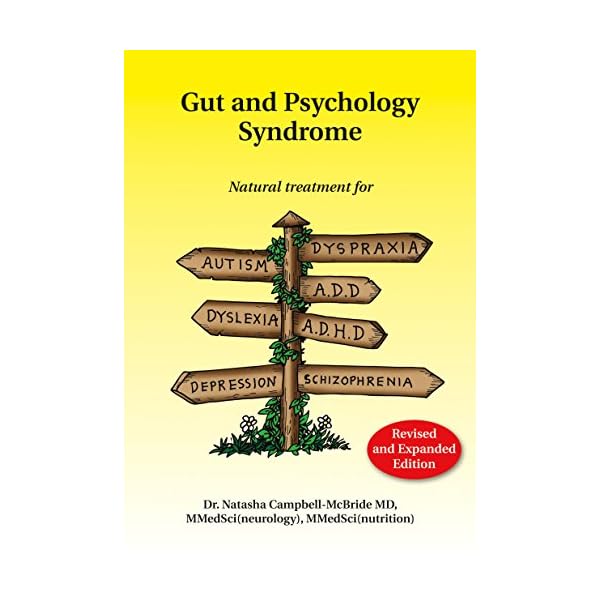
As a parent of a child diagnosed with learning disabilities, she is acutely aware of the difficulties facing other parents like her, and she has devoted much of her time to helping these families. She specializes in nutritional treatments, and has become recognized as one of the world’s leading experts in treating children and adults with learning disabilities and other mental disorders, as well as children and adults with digestive and immune disorders.
Reviews
Find Best Price at Amazon"So I quit my job and school and took time off, expecting to recuperate within a few months. I suffered severe chemical and mold sensitivities and began to develop hives. I'm not a dramatic person by nature, but I assure you, some days I wasn't sure how much sicker one could get before the body just gave up altogether. Finally, a few months ago I happened upon some website extolling the GAPS diet. I looked into it but figured I was already eating a clean (mostly) paleo diet, so I didn't need to buy this book. When I had to stay home on Christmas day because I felt so toxic and crummy, I decided to purchase the book. I had been toxic for so long that I was used to feeling lousy, but the die-off this diet produced was intense. The diet alone, even without the introduction of probiotics, sauerkraut, and kefir was enough to produce rapid die-off. However, since starting GAPS I have stopped taking the majority of my supplements, simply because I no longer need them. At long last, my diet is providing the nutrients my body has been needing all along for repair (particularly cholesterol and saturated fats, which are sadly demonized in our culture). I probably sound like a crazy person because I'm so, so excited about this book and this diet; but if you're sick like I was, you know all too well what it's like to live in a chronically ill body. Because I'm having such rapid success on the intro phase, I intend to stick with it for a few months. That's the nice thing about this diet; you move at your own pace and let your body be the guide. I'm also curious to see how this diet helps me with the mental health issues I've contended with since childhood (namely fits of debilitating anxiety, ocd, and depression that have become increasingly severe in the last few years). I had tried several SSRI's over the last ten years until a new doctor put me on Adderall (which is nothing more than a mixture of amphetamine salts and is very, very hard on the adrenals) after diagnosing me with ADHD. Reading success stories of people recovering from CFS is what got me through the worst moments. I hope my story does the same, and I will update again in a few months as I progress along my GAPS journey. I no longer seem to be affected by pollen, which in previous years gave me terrible allergies and sinus infections. I've lost 15 pounds and walk an hour or more just about daily in addition to my chores around the house. There has been no improvement on the mental stuff yet; in fact, the die-off seems to be temporarily making it much worse. I'm experiencing new die-off symptoms (caused by breaking up biofilm in my gut with probiotics and systemic enzymes, I believe) like visual disturbances, rosacea and other rashes, adrenaline rushes, numbness/tingling/burning in my extremities. I can't tell you how wonderful it feels to have some relief from this torment for the first time in over ten years (most of my adult life). It takes a long time to undo decades' worth of damage. In my case, after the infection is gone, I will still need to detox, fix my adrenals completely, get my metabolic hormones back in order, and perhaps chelate. Thanks to all of you who have commented or contacted me over the past year; it's been wonderful swapping stories and information. I am still quite toxic but can now tolerate an infrared sauna, which is great for detox, every other day. The little things that used to require so much effort are back to being a routine part of my life, i.e. doing my hair, wearing make-up, etc. There are still periods every few weeks of fatigue and die-off, where my IBS symptoms act up, anxiety and brain fog skyrocket, and I feel rough. I have read most of the other reviews here, and I am so happy about and moved by how much this diet is helping people with chronic, so-called "untreatable" conditions."
"I initially picked up this book because it had been getting discussion on an autism parenting group that I belong to. I started to learn about the diet by reading information online, then decided it was potentially worth pursuing further and purchased the book. However, as I read the book, I realized that I needed to try this diet for my own issues as well, extreme PMS and major digestive issues (which turned out to be ulcerative colitis, as diagnosed via colonoscopy 3 months after I had started the diet). There are a few other foods we typically don't eat much of either, based on working with a Nurse Practitioner who is also GAPS Certified. My daughter was sick with strep throat multiple times a year as well as extreme sinus issues. The doctors were urging us to have her tonsils and adenoids removed, yet could not guarantee that would solve the issue. After I got my colitis diagnosis, I held off taking the medication for 4.5 months, thinking that the diet would "cure" me. And then I recently started a high dose of prescription probiotics, which has helped even more. Just for my daughter and me, I typically have 3 loads of dishes in the dishwasher throughout the day, plus all the things that need to be hand washed. When we were on Intro Diet, I would have between 3 and 5 loads of dishwasher dishes going plus all the things that had to be hand washed. However, I know a few adults that are on this diet without the considerations of a child, and they also complain about the work it takes, and the several loads of dishes to clean each day. I wish that Dr. Natasha (author of GAPS Diet), would stress that it can be beneficial to seek out additional, more personalized medical advice. There is an additional website with more up to date information that needs to be checked fairly often for updates. How in the world do you explain to an 8 year old child who has been slowly going through Intro Diet and has been doing this for a year that you are going to have to backtrack and spend 6+ months only eating broth, boiled meats and boiled vegetables, and raw egg yolks. This diet is very emotional and I find that even being farther along on it that I tend to have low morale with all the work and being exhausted with it. When we initially started this diet, the information was to move through the stages once you no longer see "reactions" or symptoms improve. And now all of the sudden the information is that if certain things have not improved, go back and stay in Stage 2 for 6+ months. And, it is important to know that the diet also draws heavily from Traditional Dietary guidelines as put forth by the Weston A. Price Foundation (google that), along with the cookbook Nourishing Traditions (can be found on amazon). Although not specifically addressing the same issues, there are many more Paleo blogs with recipes online than GAPS. Paleo recipes sometimes require some easy modification of either leaving out an ingredient or two or substituting."
Best Endocrinology
Most patients with Hashimoto's will present with acid reflux, nutrient deficiencies, anemia, intestinal permeability, food sensitivities, gum disorders and hypoglycemia in addition to the “typical” hypothyroid symptoms such as weight gain, cold intolerance, hair loss, fatigue and constipation. Izabella Wentz, Pharm.D., FASCP is a pharmacist, Hashimoto’s patient and pioneer in lifestyle interventions for Hashimoto’s Thyroiditis.
Reviews
Find Best Price at Amazon"I saw three endocrinologists, three GPs, two neurologists, numerous chiropractors and massage therapists, two acupuncturists, and even a life coach and hypnotist (pretty much any health related professional whose bio suggested they might be able to help). This book introduced me to two concepts that were critical: Functional medicine, and Hashimoto's Gluten sensitivity. This led to several significant changes. The second came when I started looking for functional medicine doctors in Austin, TX and following the supplementation suggestions put forward in this book. Empty Stomach (AM): - Licorice drops. - Probiotic. - Saccharomyces Boulardii. Lunch: - Glutamine. - Methyl B12 (my Dr suspects a MTHFR gene mutation; regular B12 wasn't helping but this works great). - NAC. - Zinc (this was huge for me; gave me lots more energy). - Selenium. Bedtime: - Magnesium. - CoQ10. - Probiotic. - Fish Oil w/vitamin D. Many of these don't have to be taken with food and the order could be switched up. I'd recommend chatting with your doctor about lab work for vitamin deficiencies and reading Dr. Wentz's supplement guide."
"I've read the Stop The Thyroid Madness site, Mary Shamon's thyroid-info website, Dr. Alexander Haskell's book, Dr. Datiz Kharrazian's book and his diet recommendations, read what Jack Kruse has to say... I've looked into the GAPS diet, the paleo diet, the autoimmune paleo diet, and researched intestinal permeability and how to heal it. I'm so thrilled to have this book, it still seems too good to be true! :). I would suggest though, if there is ever a second printing, and an updated version, that the author include more advice/info on finding a good functional/integrative/holistic Dr. to work with, which testing is available and from which labs, how to navigate testing solo or with your Dr., etc."
"My antibodies went from 1200 + down to under 100 since then and I'm taking lower and lower doses of my compounded meds and cytomel."
Best Sports Medicine
Written by internationally recognized Harvard Medical School faculty and select medical students, Pathophysiology of Heart Disease, Sixth Edition provides a solid foundation of knowledge regarding diseases of the heart and circulation. Now with the print edition, enjoy the bundled interactive eBook edition , offering tablet, smartphone or accessed online to: Complete content with enhanced navigation A powerful search tool that pulls results from content in the book, your notes, and even the web Cross-linked pages, references, and more for easy navigation A highlighting tool for easier reference of key content throughout the text Ability to take and share notes with friends and colleagues Quick-reference tabbing to save your favorite content for future use.
Reviews
Find Best Price at Amazon"Wow this book has been my saving grace for the cardiovascular unit in med school, it does an excellent job explaining the pathophysiology of the heart in a very simple and straightforward manner."
"This book was the best."
"This is a great textbook, well-written and easy to read."
"Very complete and easy to read."
"excellent product and service."
"This was my favorite educational book of all time - best resource in medical school so far."
"All the information is clinically relevant and clearly presented with helpful diagrams/tables including a section of sample EKGs and real chest x-rays."
Best Medical Home Care
We are not able to create perfectly wonderful days for people with dementia or Alzheimer's, but we can create perfectly wonderful moments, moments that put a smile on their faces and a twinkle in their eyes. (DEBORAH RICHMAN, BS, ACC, vice president of education and outreach, Alzheimer’s Association Minnesota / North Dakota 2016-09-12). Jolene shows us how to lighten up and even find humor in the most highly charged situations. (KAREN AND KIM, co-founders of In Care of Dad 2016-09-12). This book is key for anyone looking to transform a hardship into a life-affirming experience for both the care recipient and the caregiver, ultimately making you a more effective caregiver as well as a happy one!
Reviews
Find Best Price at Amazon"Good book, helped my do things with my mom that brought her joy."
"Although I was learning about the disease, and through trial and error, becoming better at comforting and caring for my wife, I wish I had read this book sooner."
"A very interesting and practical book."
"The different chapters are so informative of positive hints to help continue the path of Alzheimer's with your loved one!"
"I am very thankful for the books that people write with experience in this disease and handling family members with love and dignity."
"quick delivery and Excellent book on Dementia/Alzheimers."
"It's very helpful!"
"As a family trying to cope with a very rapid decline due to Alzheimer's, the entire family purchased and devoured this book in a few days."
Best Otorhinolaryngology
The injection of cosmetic neurotoxins and fillers is a multi-billion dollar industry in which facial plastic surgeons, plastic surgeons, dermatologists, oculoplastic surgeons, and paraprofessionals in the U.S. perform more than seven million injections annually. This easy-to-use manual gives facial plastic surgeons, plastic surgeons, dermatologists, oculoplastic surgeons and other medical professionals authoritative, concise information on the anatomy, techniques, precautions, complications, and post-treatment care involved in the administration of injections of cosmetic neurotoxins and fillers.
Reviews
Find Best Price at Amazon"A little basic for the advanced injector but a nice resource."
"Fantastic book!"
"Nice for pictures to show patients to illustrate what you're about to do but otherwise, not very helpful."
"This book is just what I needed."
"Very good book; informative and directly to the point."
"Brilliant book very informative and easy to read."
"I was excited to purchase this book to learn before taking the Botox/Filler training class in March/2008. I was also expecting the provider to explain what she was doing and where the injections should go in, especially on the Botox part, but it did not happen."
"Compacted, informative and very easy to read."
Best Internal Medicine
Prepared by residents and attending physicians at Massachusetts General Hospital, this portable, best-selling reference tackles the diagnosis and treatment of the most common disorders in cardiology, pulmonary medicine, gastroenterology, nephrology, hematology-oncology, infectious diseases, endocrinology, rheumatology, and neurology. 16-page color insert displays classic normal and abnormal radiographs, CT scans, echocardiograms, peripheral blood smears, and urinalyses commonly seen in the practice of internal medicine.
Reviews
Find Best Price at Amazon"What makes this book such an amazing reference is that they actually write down the article/journal that they are referencing to if you wish to expand your knowledge base with the original research. If you can get a copy off your colleague, I recommend taking a look first before jumping the gun and buying it without looking at how this is written. Now I will present changes/differences: New sections (not all inclusive): Cardiac Rhythm Management Devices, Toxicology, Lung Transplant, Dysmotility and Nutrition, Disorders of Colon, Intestinal Ischemia. New references: qSOFA for sepsis, cardiac risk assessment tables has been slightly simplified (although the basics are the same), JNC 8 is in the book. Dislikes: the book I bought uses a more similar flimsy paper as in the purple version. I'm thinking this may be the last one I upgrade as I probably use uptodate more often now as an attending but I can appreciate all of the information that is needed to update this little book."
"This book is obviously a must-have book for your internal medicine inpatient work whether it's as a medical student, intern, or resident. Because it gives way more tangible, practical diagnostic and management steps than the Red/Green book, all my residents would be super surprised at how much more "mature" and "relevant" my diagnostic and management plans were in my presentations. They thought I was a genius and further along than most of my classmates...(and I wasn't too keen on letting them know where most of that genius was coming from :). 2) Sanford Guide (microbio) - this is really the best book for any microbio you'll need on the wards. You'll look like you actually paid attention during microbio with this book. That alone makes this book worth it."
Best Nursing Home Care
Known for its visual approach and comprehensive, easy-to-read coverage, this market-leading text emphasizes the importance of the patient or resident as a person, communication, safety, comfort, effective delegation, and teamwork and time management. The updated companion CD includes three new procedures, an updated audio glossary, and more. Focus on Long-Term Care and Home Care boxes highlight information vital to providing competent care in these settings. Video icons indicate skills included in the Mosby’s Nursing Assistant Video Skills 3.0 DVDs (sold separately). NEW Focus on PRIDE boxes highlight personal and professional responsibility, rights and respect, independence and social interaction, delegation and teamwork, and ethics and laws to help you promote pride in the person, family, and yourself. Updated companion CD contains interactive procedures, including three new procedures, learning exercises, an updated audio glossary, and a new Spanish audio glossary with phrases and terms.
Reviews
Find Best Price at Amazon"If youre going for your CNA this has everything!"
"With over 800 pages, a glossary section and a CD-ROM, The MOSBY'S TEXTBOOK FOR NURSING ASSISTANTS is indeed an excellent guidance system for the CNA and the regular person taking care of another."
"Ten classes, three hours each, with eight other students to learn all the 22. skills was just not enough time to get the practice necessary and while my test is still more. than 3 weeks away I feel shaky on the Skills."
"Content is very clear and not confusing."
"So when you go to turn in a chapter for instance chapter 1..the first page of chapter two will be in the back of chapter 1s last page."
"This book covers all aspects of nursing assistants duties."
"Very good condition!"
"This package doesn't come with the skills DVD."
Best Infectious Diseases
The history of that transformation involves famine, poverty, filth, lost cures, eugenicist doctrine, individual freedoms versus state might, protests and arrests over vaccine refusal, and much more.
Reviews
Find Best Price at Amazon"For example, with a masticating juicer I am researching, I've noticed that critical reviewers hadn't read the proper cleaning instructions of the device, thus the most common complaint is one specific "failing" part. Now I REALLY want the juicer, because I have deduced that even the negative reviews are mostly positive ones, so long as you are able to read instructions and apply what you've learned... which a lot of folks seem to struggle with. The critical reviewers are obviously taking to the comment postings with something to prove, or possibly dont understand literature review/what the book is intended to achieve, or are unconsciously defending their own irreversible parenting choices."
"It is good to hear the 'other side of the story' on vaccines: having had children who reacted badly to childhood immunizations, and seeing the same thing happen with grandchildren, I am understandably nervous over the current push to vaccinate against every possible thing. Anyone who listens to the news and reads current articles on advances in medicine has to be aware that there has been a great deal of 'spin' on this issue . As a critical reader, I not only read those articles but look for source documents and read those sources carefully, too. and realizing that the majority of funding for such research comes from the very pharmaceutical industry which sells these vaccines. As the family genealogist, I read a lot of historical documents and even a cursory examination of lifespan among those people doesnt show that shortened lifespan: I had a great many ancestors in the 1700-1800s who live to nearly-or more than-100 yrs old. Her numerous charts clearly show that the incidence of the original dread diseases which we are dutifully vaccinating for were already in decline-both in contagion and in strength, before vaccines against them were in use. .the usual course of such dread diseases. including the fact that many of these vaccines can actually spread a form of the very disease being vaccinated against and that past vaccination doesnt actually protect you from it. There are some things that are likely worth the risk of vaccination-such as tetanus and your dog's rabies vaccine."
Best Pain Medicine
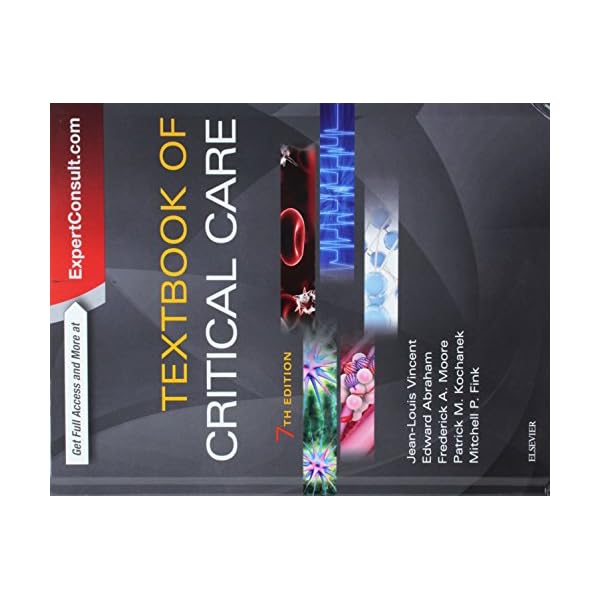
Jean-Louis Vincent, Edward Abraham, Frederick A. Moore, Patrick Kochanek, and Mitchell P. Fink are joined by other international experts who offer a multidisciplinary approach to critical care , sharing expertise in anesthesia, surgery, pulmonary medicine, and pediatrics. Features a wealth of tables, boxes, algorithms, diagnostic images, and key points that. clarify important concepts and streamline complex information for quick reference. "This book remains a worldwide standard for English-speaking critical care providers.
Reviews
Find Best Price at Amazon"An amazing book!"
Best Emergency Medicine
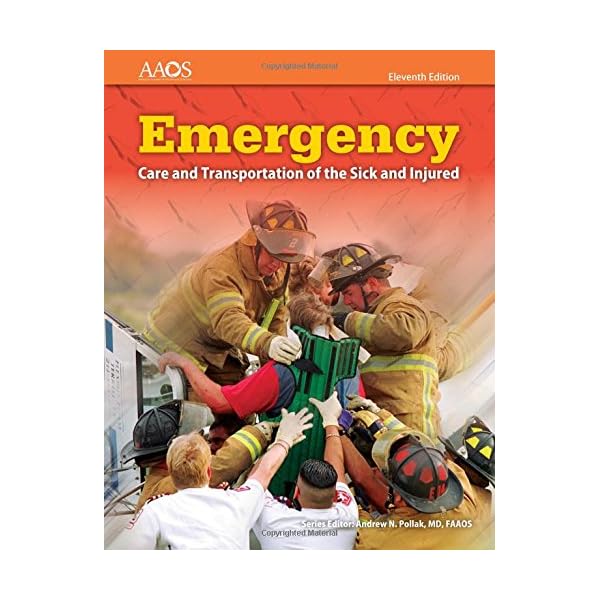
Based on the National EMS Education Standards and the 2015 CPR/ECC Guidelines, the Eleventh Edition offers complete coverage of every competency statement with clarity and precision in a concise format that ensures students' comprehension and encourages critical thinking. Application to Real-World EMS. Through evolving patient case studies in each chapter, the Eleventh Edition gives students real-world context to apply the knowledge gained in the chapter, clarifying how the information is used to care for patients in the field, and pushing students to engage in critical thinking and discussion.
Reviews
Find Best Price at Amazon"The book itself is fine however, the title explicitly states that the Kindle version comes with an access code to the Navigate 2 Essentials site."
"Questions straight out of the book, useful as a study guide or a benchmark of where you are at the end of a chapter."
"The book was for my grandson for his course to become an EMT."
"Most textbooks are dry and boring but this one brings emergency care to life as much as CPR would."
"Expensive but a very thick text book."
"these were also for my kids."
"Work thesis without isbn code to use online for emt class."
Best Critical Care Medicine
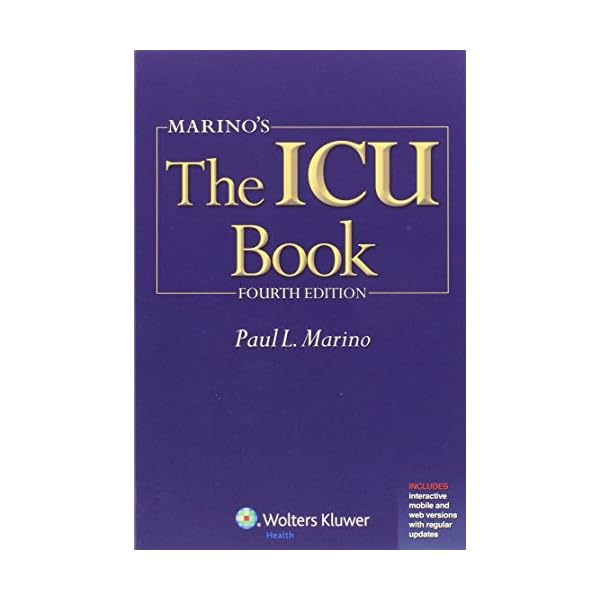
The text addresses both the medical and surgical aspects of critical care, delivering the guidance needed to ensure sound, safe, and effective treatment for patients in intensive care—regardless of the specialty focus of the unit. Problem-based approach teaches critical thinking and mirrors the decision-making process of the intensive care unit Expert perspectives from Dr. Marino help sharpen technique, minimize error, and improve outcomes Reader-friendly format makes essential information easy to locate and apply "Final Word" summaries at the conclusion of each chapter highlight salient points and improve retention of key concepts. 'a worthy update of its predecessors'. 'appropriate for any critical care population'. Numerical Score: 92 - Four Stars!
Reviews
Find Best Price at Amazon"When I started reading this book I thought how basic it was but again I really liked it, it doesn’t give you pathophysiology but gives you explanation of principles of ICU practice."
"Very informative!"
"Excellent book with excellent information."
"a must have for ICU rotations."
"A fast read."
"I have used this everyday since I bought it a few months ago."
Best Tropical Medicine
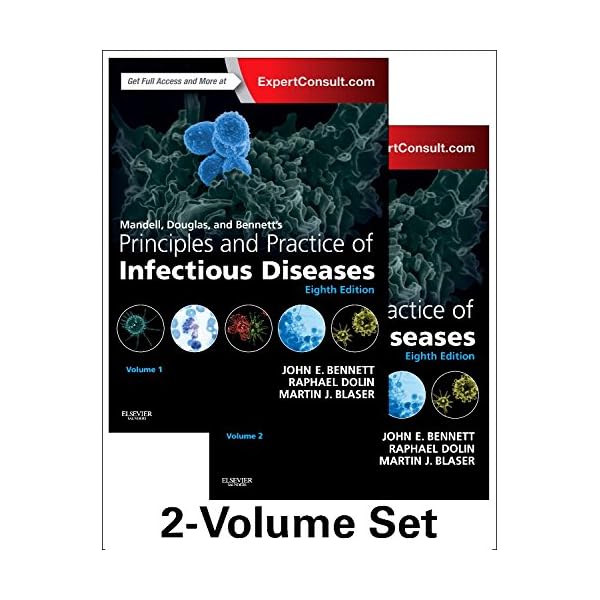
John E. Bennett and Raphael Dolin along with new editorial team member Dr. Martin Blaser have meticulously updated this latest edition to save you time and to ensure you have the latest clinical and scientific knowledge at your fingertips. Put the latest knowledge to work in your practice with new or completely revised chapters on influenza (new pandemic strains); new Middle East respiratory syndrome (MERS) virus; probiotics; antibiotics for resistant bacteria; antifungal drugs; new antivirals for hepatitis B and C; Clostridium difficile treatment; sepsis; advances in HIV prevention and treatment; viral gastroenteritis; Lyme disease; Helicobacter pylori; malaria; infections in immunocompromised hosts; immunization (new vaccines and new recommendations); and microbiome. "This is what an in depth textbook should be, a superb and vast, yet highly readable review of its topic... without doubt this will appeal to a global audience whose primary interest is the clinical aspects of infectious diseases."
Reviews
Find Best Price at Amazon"The book is great and have new chapters but I have received only 1 volume."
"The gold standard reference book for all infectious disease doctors."
"This is the gold standard, or the Bible of infectious disease books."
"The books arrived in very good used quality, and much more quickly than expected."
"This is the best text book of ID and best reference for any ID physician."
"everything arrived fine as expected."
"Awesome book!"