
Best Ethnopsychology

Hailed for its scientific analysis and poetic grace when it was first published in 1952, the book remains a vital force today from one of the most important theorists of revolutionary struggle, colonialism, and racial difference in history. A strange, haunting mélange of analysis, revolutionary manifesto, metaphysics, prose poetry and literary criticismand yet the nakedest of human cries.” Newsweek A brilliant, vivid and hurt mind, walking the thin line that separates effective outrage from despair... As a writer he demonstrates how insidiously the problem of race, of color, connects with a whole range of words and images. A reasoned, explosive, and important book centered on the identity problem of the black man, by the author of a classic study of racism and colonialism, Wretched of the Earth.” Publishers Weekly.
Reviews
Find Best Price at Amazon"Great service and product."
"Very revealing thoughts on the processes and consequences of colonization."
"Received in time, loved reading it!"
"Great early vision of African diaspora problems with colonialism."
"This book is somewhat difficult to follow."
"Great book."
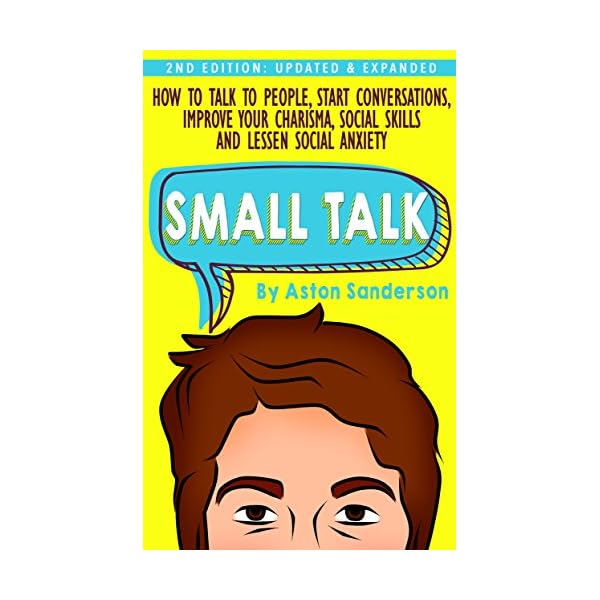
If you’ve ever felt nervous before a work party, blind date, or friend’s dinner, worry no more after reading this book and getting awesome tips on improving your social skills, listening and charisma. Download our book to learn how to start conversations, how to improve your social skills and what kind of questions to ask people you’ve just met, when you learn how to be a better listener, how to start and end conversations, how to move on from social skill “mistakes,” and how to calm your nerves.
Reviews
Find Best Price at Amazon"I screenshotted those pages to keep on hand and refer back to for future small talk situations."
"The information is good and is a good pep talk."
"The information is good and is a good pep talk."
"This book was a very good read."
"The author here did a good job explaining and summing up key points on how to be a better conversationalist in a way that was clear and easy to understand."
"This is an easy read though, I read it in one quick sitting."
-Learn about 3 types of stress and how can you turn stress into your greatest ally. - Learn how to be patient and self-disciplined -The method for focused action and maximum productivity. - How to dump the fear of failure -Get the results you want and reach your goals -How to develop higher self-respect. - How to let go and let live -How to be brave in reclaiming your life. - An 8-step method to identify and handle challenges easily -You will be able to live a more stress-free, well-balanced life. - Attract inspiring people and avoid those who hinder you from your goals -Learn to prioritize to get the most productive results. - Know how to stay productive on those days when you are not in a good mood.
Reviews
Find Best Price at Amazon"This book brings powerful lessons on how to discipline the mind and control one's thoughts in order to achieve the best of one's potential."
"Overall, a great read."
"Okay read with an occasion bolt of brilliance."
"I have stumbled upon this book while adding books to my store."
"If you apply this book to your life, you will get more of what you want out of life."
"Each chapter of this book introduces me new things and also helped me to develop mental toughness, release stress and increases or boost your willpower to face difficulties."
"The basic concept is that we can't control the emotions that invade our brain but in a very short time we can control our thoughts and how we allow our brain to respond to the feeling. The emotion in its raw nature lasts for only a few seconds, but we keep the good or bad mood for a long term up with the help of our rational brain, aka our thoughts. Nature didn’t design us to be angry or fearful for more than a few seconds otherwise the next lion would have eaten us if the first didn’t."
"Feels written by a teenager."
Best Forensic Psychology
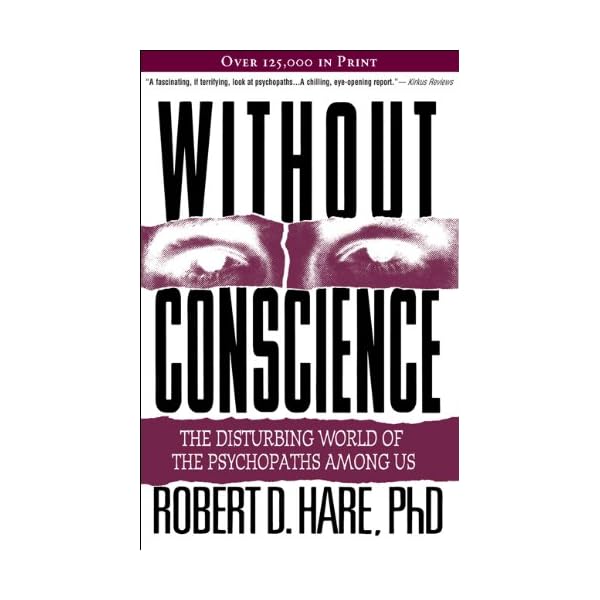
Presenting a compelling portrait of these dangerous men and women based on 25 years of distinguished scientific research, Dr. Robert D. Hare vividly describes a world of con artists, hustlers, rapists, and other predators who charm, lie, and manipulate their way through life. ( Kirkus Reviews 1999-01-10) A brilliant, in-depth handling of a most complex subject (Hugh Aynesworth, author of Ted Bundy: Conversations with a Killer).
Reviews
Find Best Price at Amazon"Although many of us will not encounter a criminal psychopath, there are plenty of us who have lived with them and experienced their crazymaking and destructive behavior behind closed doors."
"Great resource for Therapists, Counselors and anyone who needs to know whom they are dealing with in sensitive areas."
"Fabulous book about antisocial personality DO."
"I couldn't put this book down, it was a fantastic read."
"Book came within 2 days through Prime, looks just like the picture, and packed properly with no bends or folds."
"I love this book, because it describes a personal situation I had been dealing with...a real Sociopath."
"I've been doing research on psychopath's for a book I'm writing."
"Since I'm researching Pyschopaths for a story, this book really helped me understand what is going on in their heads...and also to understand that you may not have any idea whats going on in their heads!"
Best Clinical Psychology
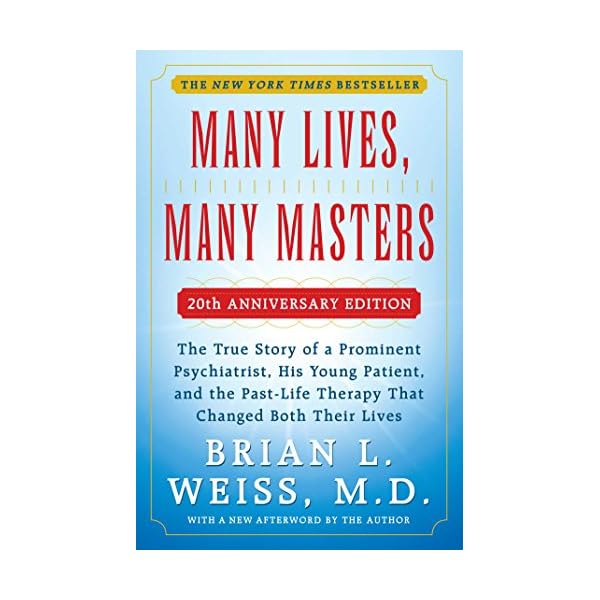
As featured on Oprah’s “Super Soul Sunday,” the classic bestseller on a true case of past-life trauma and past-life therapy from author and psychotherapist Dr. Brian Weiss—now featuring a new afterword by the author. Dr. Weiss, who was once firmly entrenched in a clinical approach to psychiatry, finds himself reluctantly drawn into past-life therapy when a hypnotized client suddenly reveals details of her previous lives. However, it is hard to dispute that this well-respected graduate of Columbia University and Yale Medical School has discovered a personal truth that has led him to be an enormously popular speaker, author, and leader in the field of past-life therapy. --Gail Hudson In 1980, Weiss, head of the psychiatry department at Mount Sinai Medical Center in Miami Beach, began treating Catherine, a 27-year-old woman plagued by anxiety, depression and phobias. When Weiss turned to hypnosis to help Catherine remember repressed childhood traumas, what emerged were the patient's descriptions of a dozen or so of her hitherto unknown 86 past lives, as well as philosophical messages channeled from "Master Spirits."
Reviews
Find Best Price at Amazon"Very interesting."
"The information in these books reinforces my beliefs, and it certainly was enlightening..I hope to read all of this author's books."
"In depth and heartfelt exploration of reincarnation, the bardo, and the possibility of disincarnate guides."
"Scientific Proof of Reincarnation."
"For anyone ready to dive into life's bigger picture and meaning this book is a perfect introduction."
"Amazing research about past life regressions."
"Each time I get a deeper understanding from the Masters messages."
"Reading this book is like getting an answer sheet to a difficult test you didn't know you had to take."
Best Adolescent Psychology
The bestselling author and psychologist whose books have topped 240,000 copies in print now addresses the trait of “high sensitivity” in children–and offers a breakthrough parenting guidebook for highly sensitive children and their caregivers. Up to 20 percent of the population is born highly sensitive, and now in The Highly Sensitive Child, Aron shifts her focus to highly sensitive children, who share the same characteristics as highly sensitive adults and thus face unique challenges as they grow up. As a highly sensitive person (HSP) herself and a psychotherapist, Aron is in a strong position to provide guidance to parents who are raising highly sensitive children (HSCs), and provides here a wealth of useful suggestions and case studies.
Reviews
Find Best Price at Amazon"As an HSP myself, reading "The Highly Sensitive Child" offered invigorating insight into the mind and heart of my oldest daughter, who is also highly sensitive. Having read "The Highly Sensitive Person" before "The Highly Sensitive Child," I would "highly" recommend both books, especially if a parent suspects that his/her child may be highly sensitive, as well."
"Pretty good book."
"There are many helpful concepts in this book."
"Amazon book for parents and those who work with children."
"An interesting book that was somewhat helpful for me as the mom of a sensitive child."
"My grandson and I are highly sensitive."
"Such a eye opener."
Best Psychopharmacology
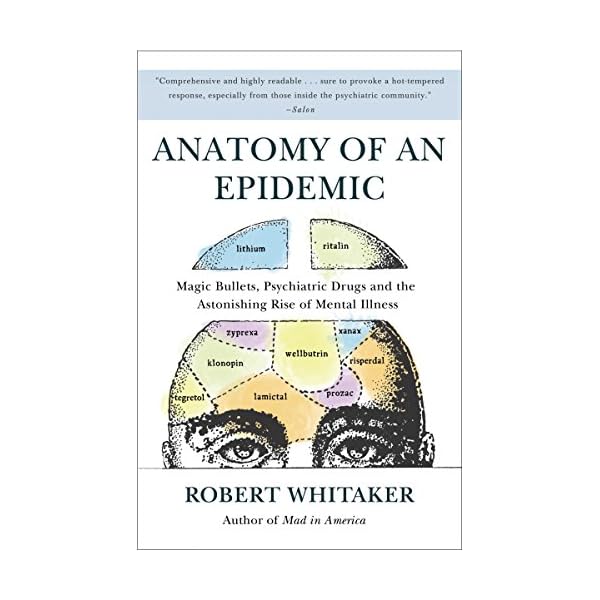
Now with bonus material, including a new foreword and afterword with updated research In this astonishing and startling book, award-winning science and history writer Robert Whitaker investigates a medical mystery: Why has the number of disabled mentally ill in the United States tripled over the past two decades? Every day, 1,100 adults and children are added to the government disability rolls because they have become newly disabled by mental illness, with this epidemic spreading most rapidly among our nation’s children. Or did they find that these medications, for some paradoxical reason, increase the likelihood that people will become chronically ill, less able to function well, more prone to physical illness? Our nation has been hit by an epidemic of disabling mental illness, and yet, as Anatomy of an Epidemic reveals, the medical blueprints for curbing that epidemic have already been drawn up. What with the conclusions Whitaker draws from his assembled literature and the accusations he levels at those who consciously deceive consumers eager for magical cures, his book will either blow the lid off a multibillion-dollar industry or cause him to be labeled a crackpot and, perhaps, medicated into obscurity. In Anatomy of an Epidemic investigative reporter Robert Whitaker cuts through flawed science, greed and outright lies to reveal that the drugs hailed as the cure for mental disorders instead worsen them over the long term. Whitaker tenderly interviews children and adults who bear witness to the ravages of mental illness, and testify to their newly found “aliveness” when freed from the prison of mind-numbing drugs.”—Daniel Dorman, M.D., Clinical Assistant Professor of Psychiatry, UCLA School of Medicine and author of Dante’s Cure: A Journey Out of Madness “This is the most alarming book I’ve read in years.
Reviews
Find Best Price at Amazon"There's a bunch of reviews on here that say this book is invalid, but when you dig into their reasons, they are cherry picking data and using disproven research. But gradual withdrawal does work, and many people have gotten their lives back by learning how to use psych drugs appropriately as a tool instead of as the entire solution. This book cites like 400 studies, works with all the best patient advocates in the industry, and is the best science has to offer to explain both problems and solutions."
"Many of the harshest reviews of this book seem to be coming from those who currently depend on psychiatric medications, and find the author's conclusions heartless, given their own distress. I had been told by well-respected psychiatrists at two major research universities that the only way to prevent recurring depressive episodes was to be on medication for life. As I looked around at my many, many friends and family members on psychiatric medications, it seemed to me that most of them were still pretty substantially depressed a lot of the time. I understand how doctors came to use that analogy to reassure patients who were alarmed at the prospect of being on mind-altering drugs for long periods of time. I did a very slow, careful taper off of my psych drugs, over a period of months (this part is absolutely crucial). I have found daily aerobic exercise to be a far more reliable way of mitigating depression than my former medications, and research in this book shows this to be true for a majority of people as well. The "medical model" of psychiatry saved that branch of medicine from dying out, given our insurance-based healthcare system, and Robert Whitaker does a great job of exposing the collusion between the pharmaceutical companies and the American Psychiatric Association, with its frightening consequences. I found the section of the book describing the way research evidence was "rewritten" for medical school textbooks truly alarming. There's a lot at stake here for the psychiatric profession; it's not surprising that so many psychiatrists turn from this research with alarm and denial."
"I purchased this book as part of a personal project and, the further I get in it, the more interested I am."
"A must read for anyone considering taking or prescribing psychoactive medication."
"this is a book everyone who is on or about to go on any medications for mental health."
"Great book and highly recommended!"
"Not every claim in it - I my opinion is accurate - but enough are and enough important questions are raised that every doctor and every patient should be familiar with questions it raises."
Best Psychology Statistics
Rebecca M. Warner's Applied Statistics: From Bivariate Through Multivariate Techniques, Second Edition provides a clear introduction to widely used topics in bivariate and multivariate statistics, including multiple regression, discriminant analysis, MANOVA, factor analysis, and binary logistic regression. She is a Fellow in the Association for Psychological Science and a member of the American Psychological Association, the International Association for Relationships Research, the Society of Experimental Social Psychology, and the Society for Personality and Social Psychology.
Reviews
Find Best Price at Amazon"While it is gigantic, Warner does a great job of explaining the underlying concepts, using data to make it even more clear, and showing tables and charts for it to all come together."
"Very easy to read this book."
"I am using this textbook in my PhD Program."
"Who doesn't love stats?!?"
"Excellent text."
"It wasn't the one assigned by my professor but I bought it anyway because it was so clear and I preferred it to the assigned text."
"Excellent, so much to learn and excellent examples."
"Oh my... this is now for light reading but amazing for my advanced stats class in doctoral program."
Best Psychology of Suicide
Whether you’re grieving the loss of a loved one, curious about what happens when we die, or pondering your own mortality, this book will leave you feeling less fear about death, inspired to live a more loving and purposeful life, and comforted by new thoughts about your loved ones in the afterlife. Bob Olson presents an impressive compilation of many lines of evidence that converge on the conclusion that the afterlife is, in a word, real . With the keen and thorough eye of an investigative reporter, Bob Olson takes on this question with a loving heart and full-on determination. Sifting through more than fifteen years of intense and exhaustive research, he's created a spiritual encyclopedia of sorts that provides the reader with answers. Bob Olson has taken his education, experience and passion for being an investigator and applied them to the study of the afterlife, death and dying, and the world of spirit, sharing what these topics can teach us about life. This event ignited questions in Bob that he never before considered, so he decided to use his skills as a private eye to investigate the afterlife.
Reviews
Find Best Price at Amazon"This book gave me some understanding of the forces at work that day that I will never believe were just lucky coincidences that helped me survive the most heartbreaking time of my life, and I'm very grateful to Bob Olson for sharing his vast research in this book."
"I just finished reading Bob’s new book on the Afterlife and give it an A+++. Of course, based on the quality of the interviews I’ve watched Bob conduct on Afterlifetv.com, how could his book be anything but wonderful, personable, highly readable, down to earth and thorough."
"If you're trying to understand and make sense of no only our lives here on earth but the before and after you'll want to read this book."
"The book is ok and somewhat resourceful however the book is very repetitive to the point I Initially skipped the last 40 some pages but then decided to go back and read them the next night."
"Olson has gathered his evidence of the afterlife from accounts of NDE (Near Death Experiences), from the accounts of thousands of mediums, and most important: from his own experiences as a person receiving evidence from mediums: evidence to which the mediums have had no prior knowledge. ANSWERS ABOUT THE AFTERLIFE will not only give you things to consider, but you will feel motivated to have your own personal experiences as you investigate the afterlife."
"It's a very good book but really just getting started on it, into 3rd chapter."
"extremely interesting - recommend to anyone interested in this subject."
Best Child Development & Psychology
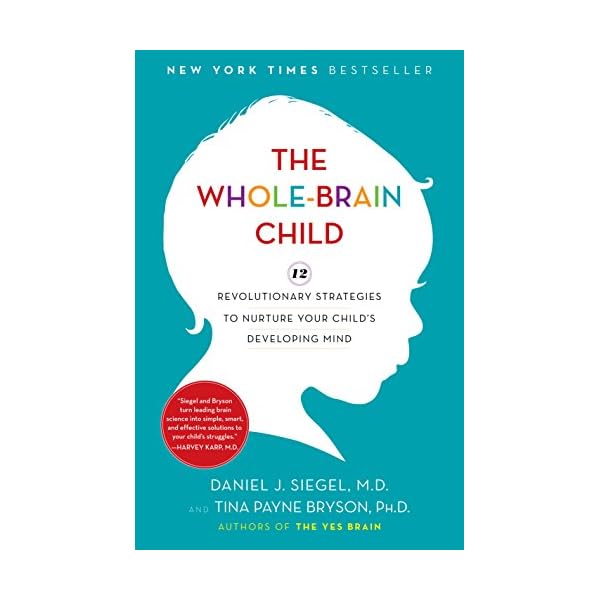
In this pioneering, practical book, Daniel J. Siegel, neuropsychiatrist and author of the bestselling Mindsight , and parenting expert Tina Payne Bryson offer a revolutionary approach to child rearing with twelve key strategies that foster healthy brain development, leading to calmer, happier children. Praise for The Whole-Brain Child "This erudite, tender and funny book is filled with fresh ideas based on the latest neuroscience research. Most of all, The Whole-Brain Child helps parents teach kids about how their brain actually works, giving even very young children the self-understanding that can lead them to make good choices, and, ultimately, to lead meaningful and joyful lives.”. – Christine Carter, Ph.D., author of Raising Happiness “In their dynamic and readable new book, Dan Siegel and Tina Payne Bryson sweep aside the old models of 'good' and 'bad' parenting to offer a scientific focus: the impact of parenting on brain development.
Reviews
Find Best Price at Amazon"Dan Siegel and Tina Payne Bryson's "The Whole Brain Child" fails to deliver on the titular promise of "revolutionary" parenting strategies to "truly help your kids be happier, healthier, and more fully themselves"; it does, however, provide innovative and effective explanations, packaging, and delivery of many tried-and-true parenting techniques that turn out to be neuroscientifically based. The first four chapters are the love child of the Johns - Medina's "Brain Rules for Baby" and Gottman's "Raising an Emotionally Intelligent Child." The following seven strategies result: (1) "Connect and Redirect: [Helping Kids Learn to Surf] Emotional Waves"; (2) "Name It to Tame It: Telling Stories to Calm Big Emotions"; (3) "Engage, Don't Enrage: Appealing to the Upstairs Brain"; (4) "Use It or Lose It: Exercising the Upstairs Brain"; (5) "Move It or Lose It: Moving the Body to Avoid Losing the Mind"; (6) "Use the Remote of the Mind: Replaying Memories"; and (7) "Remember to Remember: Making Recollection a Part of Your Family's Daily Life." The fifth and sixth chapters, however, throw a little of Susan Stiffelman's "Parenting Without Power Struggles" into the mix, offering child therapy techniques and explaining why they work through the prism of brain science. "By helping our kids connect left [brain] and right [brain]" - as well as their "upstairs" and "downstairs" brains and implicit and explicit memories - "we give them a better chance of [finding] . Finally, I want to share two interesting tidbits from "The Whole Brain Child" approach that contradict standard parenting advice but perfectly align with my parenting instincts: "An upstairs tantrum occurs when a child essentially decides to throw a fit. On the "eh" side of the scale, "The Whole Brain Child" is more useful for older children than younger ones, is often redundant and long-winded (darned brain scientists trying to make information stick), and isn't as comprehensive as "Parenting with Love & Logic." Though Spiegel and Bryson don't offer much that's new in the realm of what parents ought to do, "The Whole Brain Child" adds value to the genre in providing the why and organizing the what into an easily understood, memorable, and, yes, at one point even "revolutionary," how."
"Very well written."
"He loved doing it - he'd ask to read the brain book - and it became the perfect way to discuss the concepts in the book."
"Excellent resource whether you are a parent, teacher, or professional!"
"Very interesting and refreshing look on child care without being too "coddling" in the author's approach."
"Logical, common sense tied to scientific research: easy to understand and use with children."
"This was a great book."
"Helped to understand how my child's brain is developing."
Best Psychological Pathologies
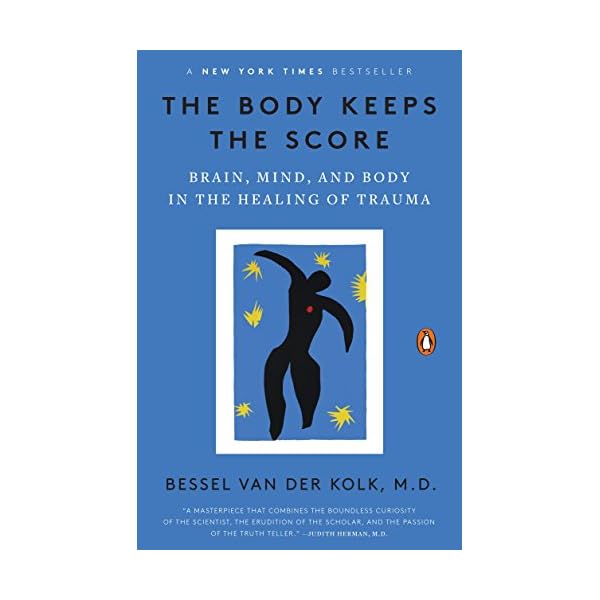
“Essential reading for anyone interested in understanding and treating traumatic stress and the scope of its impact on society.” —Alexander McFarlane, Director of the Centre for Traumatic Stress Studies A pioneering researcher transforms our understanding of trauma and offers a bold new paradigm for healing in this New York Times Science bestseller Trauma is a fact of life. Praise for The Body Keeps the Score “In this inspirational work which seamlessly weaves keen clinical observation, neuroscience, historical analysis, the arts, and personal narrative, Dr. van der Kolk has created an authoritative guide to the effects of trauma, and pathways to recovery. A must read for mental health and other health care professionals, trauma survivors, their loved ones, and those who seek clinical, social, or political solutions to the cycle of trauma and violence in our society.” —Rachel Yehuda, Ph.D., professor of psychiatry and neuroscience, director of the Traumatic Stress Studies Division at the Mount Sinai School of Medicine, New York, NY “This is an absolutely fascinating and clearly written book by one of the nation’s most experienced physicians in the field of emotional trauma. “Breathtaking in its scope and breadth, The Body Keeps the Score is a seminal work by one of the preeminent pioneers in trauma research and treatment. Van der Kolk, the eminent impresario of trauma treatment, who has spent a career bringing together diverse trauma scientists and clinicians and their ideas, while making his own pivotal contributions, describes what is arguably the most important series of breakthroughs in mental health in the last thirty years. Here we see not only how psychological trauma also breaks connections within the brain, but also between mind and body, and learn about the exciting new approaches that allow people with the severest forms of trauma to put all the parts back together again.” —Norman Doidge, author of The Brain That Changes Itself. “ The Body Keeps the Score articulates new and better therapies for toxic stress based on a deep understanding of the effects of trauma on brain development and attachment systems. Bessel van der Kolk may focus on the body and trauma, but what a mind he must have to have written this book.”. Its deeply empathic, insightful, and compassionate perspective promises to further humanize the treatment of trauma victims, dramatically expand their repertoire of self-regulatory healing practices and therapeutic options, and also stimulate greater creative thinking and research on trauma and its effective treatment. The body does keep the score, and Van der Kolk’s ability to demonstrate this through compelling descriptions of the work of others, his own pioneering trajectory and experience as the field evolved and him along with it, and above all, his discovery of ways to work skillfully with people by bringing mindfulness to the body (as well as to their thoughts and emotions) through yoga, movement, and theater are a wonderful and welcome breath of fresh air and possibility in the therapy world.”. “In The Body Keeps the Score we share the author’s courageous journey into the parallel dissociative worlds of trauma victims and the medical and psychological disciplines that are meant to provide relief. “Bessel van der Kolk is unequaled in his ability to synthesize the stunning developments in the field of psychological trauma over the past few decades. —Ruth A. Lanius, MD, PhD, Harris-Woodman chair in Psyche and Soma, professor of psychiatry, and director PTSD research at the University of Western Ontario; author of The Impact of Early Life Trauma on Health and Disease. Interspersed with that narrative are clear and understandable descriptions of the neurobiology of trauma; explanations of the ineffectiveness of traditional approaches to treating trauma; and introductions to the approaches that take patients beneath their cognitive minds to heal the parts of them that remained frozen in the past. “When it comes to understanding the impact of trauma and being able to continue to grow despite overwhelming life experiences, Bessel van der Kolk leads the way in his comprehensive knowledge, clinical courage, and creative strategies to help us heal. Dr. Van der Kolk offer a brilliant synthesis of clinical cases, neuroscience, powerful tools and caring humanity, offering a whole new level of healing for the traumas carried by so many.”. Bessel van der Kolk, M.D., is the founder and medical director of the Trauma Center in Brookline, Massachusetts.
Reviews
Find Best Price at Amazon"Frankly, nothing really worked until I discovered - and applied - the somatic (body) techniques espoused by van der Kolk, and other luminaries such as Peter Levine, Pat Ogden, and Eugene Gendlin. The only way to ‘communicate’ with this pre-verbal system is through the body, which can signal to the brain stem that it is OK to begin the process of unfreezing the emotional paralysis that has plagued us for decades. UPDATE 2018: One of the treatments that Bessel van der Kolk mentions in his book - MDMA (Ecstasy) - was recently granted ‘Breakthrough Therapy’ status by the FDA for phase 3 trials. This is because the phase 1 and 2 trials were so successful, that nearly 70% of participants no longer had PTSD after just 3 MDMA sessions (most of these participants had suffered PTSD for decades)."
"I believed I could gut it out, that the past was the past and that only weak people needed to talk through their problems. I believed only losers behaved badly as adults due to anything in their childhood or past and that claiming you were affected by any past problem was a crutch to allow you to embrace failure. It's very hard to be kind to people, to focus on your work, to love others when all your power is spent trying to pretend you don't feel like s***. When you see everything you have go away and can only occasionally find the strength to take care of yourself and your business and need others in your life to carry you from time to time (much to your embarrassment) and yet you think you're smart and capable and have no understanding of why you are where you are, life becomes a slog. While I can't attribute every part of my success to this book alone as it takes many things to get where you want to go (mostly you), I can absolutely attest to the power of this book. If you've suffered any sort of major and/or persistent trauma in your life, please buy (and read) this book."
Best Psychoanalysis
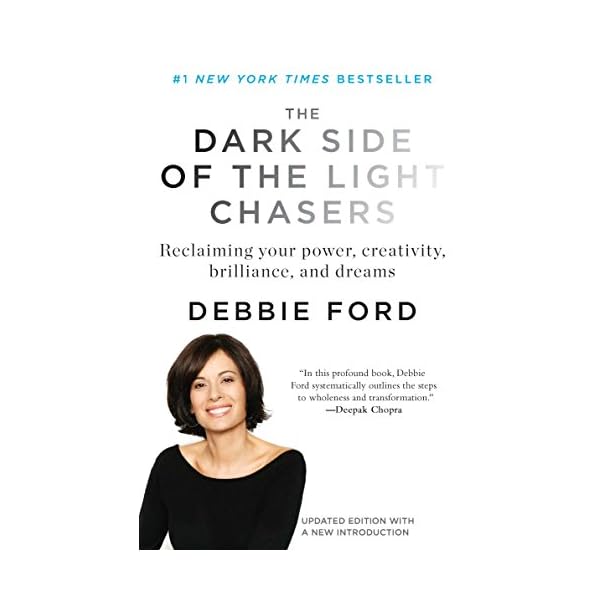
We find ourselves disproportionately frustrated and angry at the selfishness of friends, the laziness of colleagues, the arrogance of siblings. Through the stories and exercises in The Dark Side of the Light Chasers , Debbie Ford shows us not only how to recognize our hidden emotions, but also how to find the gifts they offer us. Everyone possesses the entire range of human traits and emotionsA"the saintly and the cynical, the divine and the diabolical, the courageous and the cowardly"Acontends Ford, a faculty member of California's Chopra Center for Well-Being. The problem, as Ford (and Freud) define it, is that in growing up, people suppress those behaviors, thoughts, feelings and characteristics that are unacceptable within their particular environments. But rather than daily sessions on the couch, Ford advocates re-imagining and reclaiming lost aspects of self, urging readers to "unconceal" and embrace those traits buried in their "shadow," in order to find their "gift." She offers exercises designed to bring such traits to the surface, including directed self-questioning; listing one's characteristics for closer examination of positives and negatives; and "discharging toxic emotions" physically.
Reviews
Find Best Price at Amazon"This is a fantastic book for recognizing that we all have good and bad (light and dark) within us, and that it is up to us to decide which we will nurture."
"This book is a GREAT TOOL to use towards finding that better and brilliant you!"
"Super, super thought provoking."
"I have a background in this type of work, and her stuff is on a very high level."
"They have loved the exercises as well."
"Deep stuff here."
"By learning to love ALL of yourself, your life will be filled with light and success. This book provides life-changing exercises that enable you to uncover your shadows and learn how to embrace all of who you are."
"This book is amazing!"
Best Physiological Aspects in Psychology
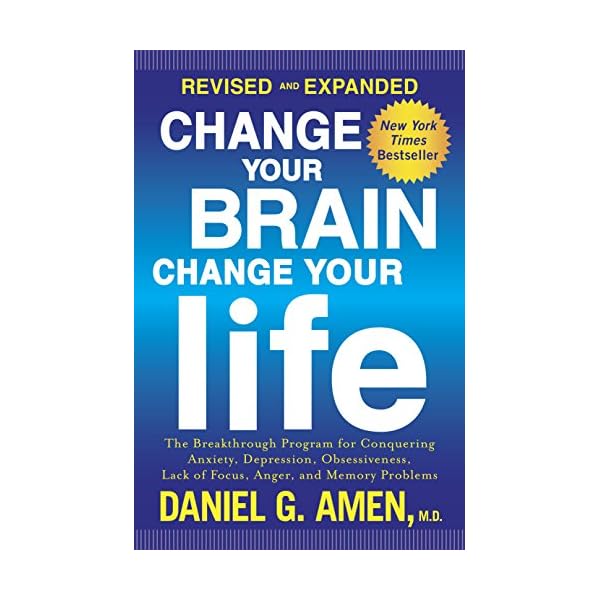
In this completely revised and updated edition of the breakthrough bestseller, neuropsychiatrist Dr. Daniel Amen includes effective "brain prescriptions" that can help heal your brain and change your life. Filled with "brain prescriptions" (among them cognitive exercises and nutritional advice) that are geared toward readers who've experienced anxiety, depression, impulsiveness, excessive anger or worry, and obsessive behavior, Change Your Brain, Change Your Life milks the mind-body connection for all it's worth. Written by a psychiatrist and neuroscientist who has also authored a book on attention deficit disorder, Change Your Brain contains dozens of brain scans of patients with various neurological problems, from caffeine, nicotine, and heroin addiction to manic-depression to epilepsy. Although Amen provides step-by-step "prescriptions" geared toward optimizing and healing the different sections of the brain ("create a library of wonderful experiences"; "try meditation/self-hypnosis"), 80 percent of the patients in his case studies were given medication to treat their behavioral problems.
Reviews
Find Best Price at Amazon"This book would be so much better if it focused purely on the science and what behaviors can be modified with actionable tasks/steps people can take (i.e. changing the questions they ask themselves, writing goals on paper, joining support groups). The authors concept is this: Spend thousands getting your brain scanned, then spend hundreds on supplements he sells for your special kind of brain, and join a church."
"it helps reduce guess work, and generalized treatments that sometimes cause more problems for people seeking help. I have been reducing alcohol for years, looking at Scan of Alcohol use has given me enough Reasons to Quit. In this Book Dr. Amen Identifies problems, causes, and potential Solutions and a ton of resources to help manage and treat bad behavior."
"This is the second time I've read this book because there is so much pertinent information in it about the parts of the brain, what they do and the problems they can cause."
"Dr. Amen has provided a wealth of information for readers to understand their brains and has equipped them to make a difference in their lives."
"loved the book made me smarter on the function of the brain."
"Excellent..simple and easy to read."
"Dr. Amen has given me a new perspective on brain health!"
"Great book, very informative, I learned an amazing amount of information on how to handle mental illness."
Best Psychology of Personalities
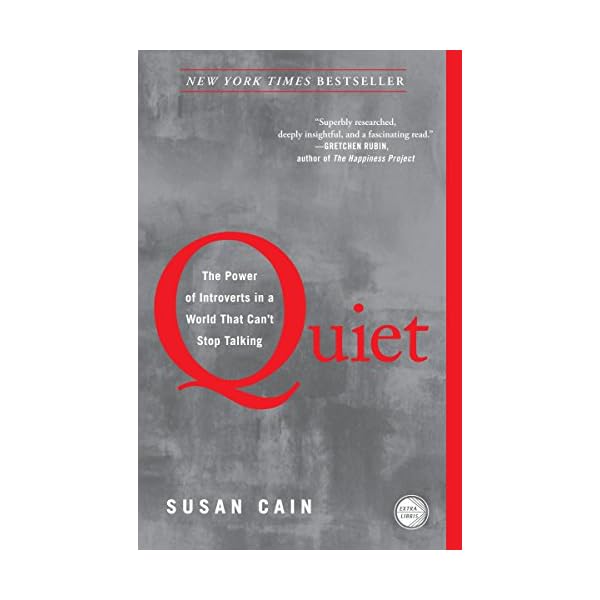
Passionately argued, superbly researched, and filled with indelible stories of real people, Quiet has the power to permanently change how we see introverts and, equally important, how they see themselves. In our culture, which emphasizes group work from elementary school through the business world, everything seems geared toward extroverts. With Quiet: The Power of Introverts in a World That Can’t Stop Talking , Cain explores introversion through psychological research old and new, personal experiences, and even brain chemistry, in an engaging and highly-readable fashion. Introverts are to extroverts what women were to men at that time--second-class citizens with gigantic amounts of untapped talent. The bias against introversion leads to a colossal waste of talent, energy, and, ultimately, happiness. Q: What personal significance does the subject have for you?A: When I was in my twenties, I started practicing corporate law on Wall Street. At first I thought I was taking on an enormous challenge, because in my mind, the successful lawyer was comfortable in the spotlight, whereas I was introverted and occasionally shy. But I soon realized that my nature had a lot of advantages: I was good at building loyal alliances, one-on-one, behind the scenes; I could close my door, concentrate, and get the work done well; and like many introverts, I tended to ask a lot of questions and listen intently to the answers, which is an invaluable tool in negotiation. Here are two to consider: (1) Introverts perform best in quiet, private workspaces—but unfortunately we’re trending in precisely the opposite direction, toward open-plan offices. (2) If you want to get the best of all your employees’ brains, don’t simply throw them into a meeting and assume you’re hearing everyone’s ideas. Ask people to put their ideas in writing before the meeting, and make sure you give everyone time to speak. (3) Not calling them “shy”--they’ll believe the label and experience their nervousness as a fixed trait rather than an emotion they can learn to control. They are the ones who prefer listening to speaking, reading to partying; who innovate and create but dislike self-promotion; who favor working on their own over brainstorming in teams. Although they are often labeled "quiet," it is to introverts that we owe many of the great contributions to society-from van Gogh’s sunflowers to the invention of the personal computer. Passionately argued, impressively researched, and filled with indelible stories of real people, Quiet shows how dramatically we undervalue introverts, and how much we lose in doing so. QUIET talks about the New Groupthink, the value system holding that creativity and productivity emerge from group work rather than individual thought. QUIET talks about “restorative niches,” the places introverts go or the things they do to recharge their batteries. “A superbly researched, deeply insightful, and fascinating book that will change forever the way society views introverts .”. — Gretchen Rubin , author of The Happiness Project “ Susan Cain is the definer of a new and valuable paradigm . In this moving and original argument, she makes the case that we are losing immense reserves of talent and vision because of our culture's overvaluation of extroversion. Mark my words, this book will be a bestseller.”. — Guy Kawasaki , author of Enchantment “Susan Cain has done a superb job of sifting through decades of complex research.
Reviews
Find Best Price at Amazon"My entire life has been on hold since this started, I get home from work too exhausted to do anything except veg out for a couple hours and go to bed, and even weekends aren't much better. I learned that the job situation I'm currently in - the non-stop deadline demands, interruptions, never being able to work quietly or alone no matter how difficult a project was, phones ringing incessantly, people in my face all day long, etc. And as enlightening as it was to learn how many of the traits I've beat myself up for over the years are just a product of my introverted temperament (being highly sensitive, shutting down when subjected to stimulation overload, preferring to think a thing through before I speak - something I never get to do at work, as if it takes me more than 5 seconds to say something, I get interrupted and cut off), the most important thing I got from this book is that it's okay to be myself, it's okay to feel the way I do. I am not weak or a failure because I don't feel or behave like my extremely extroverted boss (who thrives in high-energy crisis mode, and is bored unless he's doing 10 things at once - and expects the rest of us to keep up). I also found the information on the history of the "rise of the Culture of Personality" completely fascinating, it really gave me a new insight as to just exactly how we 'grew' this tendency to value extroversion over introversion. I know I will meet resistance from my boss (I'd love for him to read this book, but unfortunately I know he won't), and I know I won't instantly fix everything in one day, and that I'll probably always need to be able to stretch myself a bit to do things that are not ideal for me ... but this book taught me that there are ways to make that work, too, if you understand and honor the need for recharging around such tasks, instead of trying to force yourself to do them 8 hours a day with no break. The wealth of information and insights in this book cannot be overstated - especially if you are an introverted type of person who has always felt there was something not quite right about you, or that you somehow needed to change to fit in or succeed. Thank you, Susan Cain, from the bottom of my heart (which is finally beating at a more normal speed because I'm not panicked about going to work for the first time in months)."
"This book is written by an introvert, and while it discusses extroversion, it focuses on the benefits of introversion. I like myself, but reading this book made me feel like there are many other people who face the same feelings and worries that I do. Somewhere while reading this book, I stopped feeling like I was a good teacher despite my introverstion but that I am a good teacher largely because of my introversion."
"As somebody who has been called at some point or another the gamut of terms associated with introversion, from "shy" (which I don't object) to "anti-social" (which I most certainly consider unfair), I found in Susan Cain's "Quiet," the validation and appreciation many introverts have been searching for. In "Quiet," Ms. Cain explains the rise of the Extrovert Ideal in the 1920s and how it is that today we associate talkative, risk-taking, and action-oriented people with intelligence, beauty, power and success. She interviews scientists who have conducted hundreds of studies to test different theories in an effort to determine how much of our temperament is a result of genetics and/or of our free will. For those still deciding on a career, the author reminds readers that research shows that introverts are not reward-seeking like extroverts, but rather motivated by the enjoyment they find in pursuing an activity; in other words, by being in what psychologist Mihaly Csikszentmihalyi calls the "flow"."
Best Social Psychology & Interactions
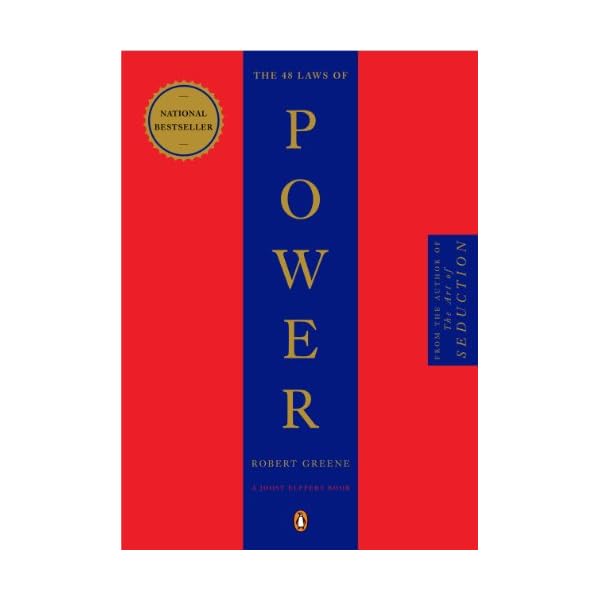
In the book that People magazine proclaimed “beguiling” and “fascinating,” Robert Greene and Joost Elffers have distilled three thousand years of the history of power into 48 essential laws by drawing from the philosophies of Machiavelli, Sun Tzu, and Carl Von Clausewitz and also from the lives of figures ranging from Henry Kissinger to P.T. Elffers's layout (he is identified as the co-conceiver and designer in the press release) is stylish, with short epigrams set in red at the margins. Each law, with such allusive titles as "Pose as a Friend, Work as a Spy," "Get Others to Do the Work for You, But Always Take the Credit," "Conceal Your Intentions," is demonstrated in four ways?using it correctly, failing to use it, key aspects of the law and when not to use it. Illustrations are drawn from the courts of modern and ancient Europe, Africa and Asia, and devious strategies culled from well-known personae: Machiavelli, Talleyrand, Bismarck, Catherine the Great, Mao, Kissinger, Haile Selassie, Lola Montes and various con artists of our century.
Reviews
Find Best Price at Amazon"This has become one of my favorite books in a short period of time, and it has given me a new way to perceive the world around me. I wouldn't necessarily recommend it to every single person in the world, because it is not for the faint of heart; but if you've ever been taken advantage of, shut out of someone's life, lost control of a situation, had someone feign authority over you (successfully), had relationship problems, problems in the workplace, etc, you deserve to give this a read-through at LEAST once."
"there seems to be a lot of love and hate surrounding this book, so if you are curious but unsure, this review should help you decide whether or not to buy the book, and how it will impact you. First, to understand the 48 laws of power, you must know two key ideas. 1. you CAN NOT escape the power game. you wil become exponentially more powerfull by knowing and understanding these laws. -CRYSTAL CLEAR. every law is clearly outlined with "transgression" of the law, "observance" of the law, keys to power, and a "reversal". -GREAT STORIES. the 48 laws are packed with mindblowing and sometimes humorous stories of people in history practicing these laws. OVERALL: If you want to have more power or a better understanding of why different situations turn out the the way they do, you should definitely read the 48 laws of power by Robert Greene."
"Next to the Bible, probably the best book ever written."
"Too bad I didn't read this when it was first released."
"If you're tired of a meager existence then purchase this book."
"very interesting and good read."
"Excellent book providing a list of Laws about power dynamics between people."
"Amazing book, great purchase."
Best Psychology Testing & Measurement

These letters, all addressed to the pseudonym Dr. Quill, were written by the patients as they documented the demise of the Emerson Rose Asylum. Their journey will become your journey as the patients chronicle their final months in these, Letters from the Looney Bin. Weaves a creepy tale in the form of letters found from an abandoned insane asylum...a girl who smashes the head of a white coated orderly...a doctor who experiments on the inmates in unspeakable ways...patients dragged away in the middle of the night to have parts of their brains removed.The author does a great job at weaving the different characters together.The imagery is macabre and the chills are sublime.You are given a unique insight into the minds and perspectives of the condemned mental patients, and what brought them to the edge.Interesting book which reads very easily and enjoyably.
Reviews
Find Best Price at Amazon"I read it after and agree."
"Beautifully written."
"Characters writing letters about their unfortunate lives before and after their arrival to the Emerson Rose asylum."
"I liked how it was written from the pov of the patients but I feel there needs to be 2nd one to answer some questions I had.I would definitely read a 2nd one if the author wrote one."
"Absolutely kept me on the edge of my seat!"
"It was intriguing to hear the background story of each patient."
"Interesting read."
"Excellent book arrived quickly. Very easy interesting read didn't want to end."
Best Occupational & Organizational Psychology
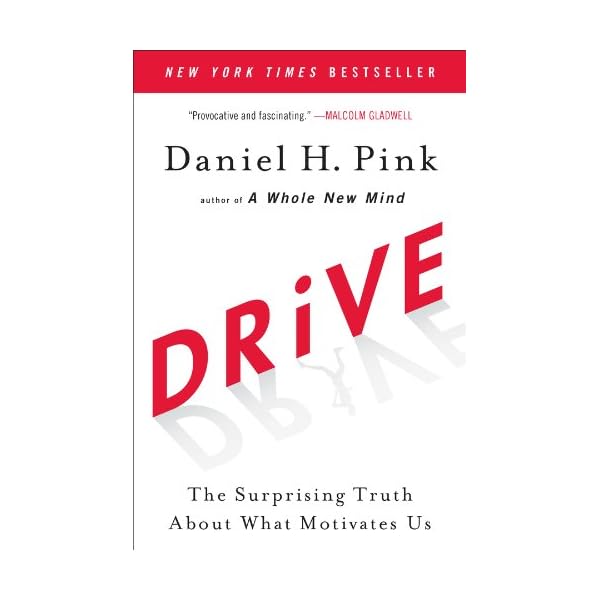
As Daniel H. Pink (author of To Sell Is Human: The Surprising Truth About Motivating Others ) explains in his paradigm-shattering book Drive , the secret to high performance and satisfaction in today's world is the deeply human need to direct our own lives, to learn and create new things, and to do better by ourselves and our world. "Pink makes a convincing case that organizations ignore intrinsic motivation at their peril." Corporate boards, in fact, could do well by kicking out their pay consultants for an hour and reading Pink's conclusions instead." "Pink's deft traversal of research at the intersection of psychology and economics make this a worthwhile read-no sticks necessary." "Pink's a gifted writer who turns even the heaviest scientific study into something digestible-and often amusing-without losing his intellectual punch." "Important reading...an integral addition to a growing body of literature that argues for a radical shift in how businesses operate." Pink makes a strong, science-based case for rethinking motivation--and then provides the tools you need to transform your life."
Reviews
Find Best Price at Amazon"Managers should use the lure of higher degree of mastery of skills to motivate people. It is important the challenge is not too difficult for the person involved, but just enough so the person will face difficulty and yet can overcome with sufficiently higher mastery of the skillset required. Finally, we are motivated by higher purpose other than mere self-interests."
"I have been able to use this to help teams at work grow and be effective when other, more traditional, methods fell flat."
"Or, do freedom, challenge, and purpose float your boat? What I like about "Drive" is the explanation of the "mismatch between what science knows and what business does": "...science shows that the secret to high performance isn't our biological drive or our reward-and-punishment drive, but our third drive--our deep-seated desire to direct our own lives, to extend and expand our abilities, and to live a life of purpose.""
"Using a variety of metaphors to clearly state his arguments, Pink makes a compelling case for recognizing that management approaches based on compliance are not going to serve organizations well in the new world of work that is evolving with our changing business and economic environment. If you enjoy the book (or if you need more to explore before purchasing), be sure to watch his TED Talk on this topic, and Google the RSA animation video as well."
"Fantastic work on what drives people to do work."
"Daniel Pink's DRIVE is one of those rare books where nuggets are as plentiful as acorns in autumn woods."
"This doesn’t help much if you are already doing employee motivation in your company and you are a progressive leader."
Best TA & NLP Psychotherapy
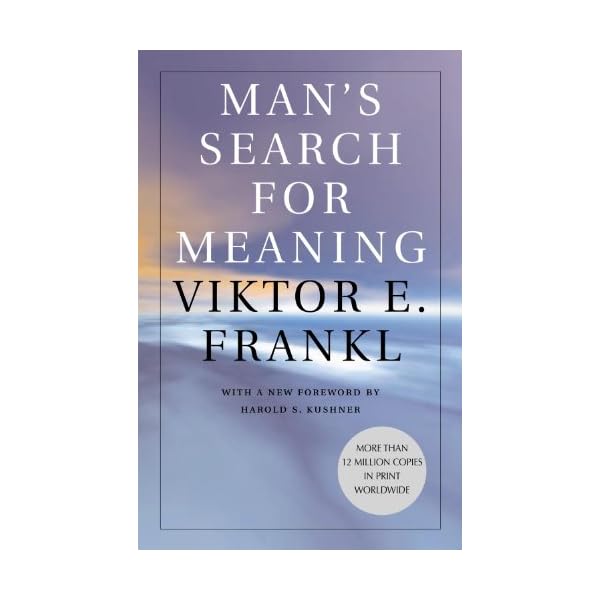
At the time of Frankl's death in 1997, Man's Search for Meaning had sold more than 10 million copies in twenty-four languages. The book begins with a lengthy, austere, and deeply moving personal essay about Frankl's imprisonment in Auschwitz and other concentration camps for five years, and his struggle during this time to find reasons to live. The second part of the book, called "Logotherapy in a Nutshell," describes the psychotherapeutic method that Frankl pioneered as a result of his experiences in the concentration camps.
Reviews
Find Best Price at Amazon"Read this book, read this book."
"Those that had developed purpose and meaning to the harsh conditions got out of bed every morning to face another unbearable day."
"I cried and became distressed as I listened to Viktor Frankl's personal journey."
"About suffering and learning to go on and live a happy, productive life after devastating losses, situations, and personal catastrophes."
"Profound insight."
"A little twist of ideas as to why some people survive the worst and why others don't survive medium bad."
"I am just now to the place he talks about how thinking of his wife and having mental conversations with her gave him strength to stay alive!"
"A nice read about the importance of finding meaning in your life."