
Best Nervous System Diseases
Groundbreaking and timely, Grain Brain shows that the fate of your brain is not in your genes, it's in the food you eat. He addresses the churlish objection that gluten has been part of the human diet for many millennia by firmly asserting that recent changes to crops have transformed a once-safe food into a terrible scourge. Lauded by such nonconsensus pundits as Mehmet Oz and William Davis, Perlmutter offers readers a comfortably simplistic model for thinking about carbs. Modern wheat, in particular, is responsible for destroying more brains in this country than all the strokes, car accidents, and head trauma combined. Dr. Perlmutter makes a persuasive case for this wheat-free approach to preserve brain health and functioning, or to begin the process of reversal." "If you want to boost your brain power, keep your memory, and lift your mood and energy, as well as heal from a host of other common complaints, Dr. Perlmutter is your guide. Grain Brain explains how the American diet rich in gluten and inflammatory foods is linked to neurological conditions. As a teacher and clinician, he has fundamentally changed how physicians and patients think about neurological degeneration and, happily, regeneration." "A galvanizing call to arms against a gluten-heavy diet....Perlmutter's credentials as a board-certified neurologist and American College of Nutrition Fellow make him a uniquely qualified voice in the debate about which foods are best for the brain and body." "Mind-blowing and disruptive to some long-standing beliefs about what our bodies require for optimal health...GRAIN BRAIN lays out an easy-to-understand roadmap packed with the latest science."
Reviews
Find Best Price at Amazon"One of the most successful many I ever met told me that, "the data talks"."
"I'm never hungry, I get to eat all kinds of meats and cheeses and veggies, and I don't even bother counting calories. The supplements he recommends have made an almost instant difference - my nails are stronger and growing long, my skin is better, and my overall mood is vastly improved."
"It changed everything I thought I knew about food and its relationship to health. You just eat what’s good for you: Fat - lots of it, meats, vegetables, eggs, cheese, salads, nuts, seeds (my new favorite snack is Pepitas, which they have at Publix). I eat a lot less than I used to because I’m getting enough fat in my diet, and not stuffing myself with useless breads, crackers, chips, and pasta – which just make me hungrier and hungrier. What I’ve gained are increased energy, lots less brain fog, joints moving better (do not hurt all the time), less headaches – a LOT less, tummy troubles are now non-existent, and before, I was always gaseous or had diarrhea, or just was hurting in general. My labs were checked in February, after just two months, and my doc was blown away. I was no longer in the diabetic range and my liver functions had normalized. He also has a good website with a lot of articles to read: [...] If you want your health back, it’s time to read, Grain Brain!"
"It is a sobering read, but is a must read if you are interested in maintaining good brain health and avoiding diseases such as Type II Diabetes, as well as potentially significantly reducing the risk of developing dementia and other brain disease."
"I overheard a couple of fellow Bikram yoginis discussing Dr. Perlmutter's current book "Brain Maker," and I decided to order both books."
"This book has answered what I haven't gotten from other Drs.. My skin is dry and hair thining, I truly needed more fat in my diet and now see that grains were my problem and low fat has starved my body of needed oils...."
"As Mark Twain commented on New England weather, "If you don't like the weather just wait a minute, it'll change," it seems the same holds true for medical/health research studies."
Now, in The Wahls Protocol, she shares the details of the protocol that allowed her to reverse many of her symptoms, get back to her life, and embark on a new mission: to share the Wahls Protocol with others suffering from the ravages of multiple sclerosis and other autoimmune conditions. Terry lives in Iowa with her family.
Reviews
Find Best Price at Amazon"Even though I'm definitely NOT grateful for having this disease, I truly believe my loved ones, future children and I obtained the most valuable information we have come across as a consequence of my MS. In this book, Dr Wahls goes into detail about every aspect of the dietary and lifestyle changes she recommends, which includes supplements, exercise, electrical stimulation, meditation, etc., and she details three different versions of the Wahls diet so anyone can find a level they can learn to live with. I actually convinced my wife and my mother to read the book and follow different levels of the protocol with me for one month. It has been three weeks today, and the results have been noticeable: - I have RRMS, and am still in early stages of the disease so when I'm in remission, which is 90% of the time, I have no symptoms. She feels a lot more rested and the Polar Loop is actually measuring and showing these results as concrete data. Additionally, she used to get headaches at work about once a week, and hasn't had a single one since following the Wahls Paleo. I have now read many other books by Sarah Ballantyne, Dr. Perlmutter, Amy Myers, Jimmy Moore, etc., I have found countless Blogs and Cookbooks, and I even have iOS Apps that make my life way easier (MyPaleoPal is excellent for tracking and ideas, for example). I now enjoy eating and even cooking more than I ever had before, and my entire family is still reaping the benefits from all this knowledge. Just to detail a bit more: I follow the Wahls Paleo Plus diet, mixed together with the AIP just to make it a little more challenging. This means no nuts, seeds, nightshades, or coffee, on top of Dr Wahls' strictest protocol. I also swim every other day, meditate and work my core muscles daily, and sleep 7.5-8.5 hours every night. You be the judge: my last relapse was over a year ago, I can now bike for 45minutes and totally withstand heat sensitivity, I can swim for as long as I want to, I walked over 120,000 steps in a week last december during Christmas break (used a pedometer to keep track), I'm sleeping like a baby, and, MOST IMPORTANT: I stopped my MS medication two weeks ago (under my neurologist's supervision of course, and having sworn to go back on it if my status changes negatively)."
"The book is so easy to read, and it is set up pretty much the way I spent my first year changing my diet. I loved reading Chapter 7 - Wahls Paleo Plus, because that is the way I basically eat now, strictly and consistently. This new book is an easier read, but still full of Dr. Wahls passion for sharing this vital information, and getting it right. Her life is at stake, and she wants to help as many people as she can - in my opinion, it is obvious that this book is a true labor of love for her. I rarely left the house, except for appointments that I couldn't put off any longer, or family celebrations with the our grown kids. My husband, whose busy career took much of his time, did the best he could, which meant my diet was mostly easy processed food or take-out. A few weeks after I sold/gave my beloved Prius to my son, my daughter urged me to look into some doctor that had MS and wrote a book about how she healed herself with diet. I had a slight increase in energy, and cleaned a tiny spot of kitchen counter between the sink and the coffee maker. I had stopped eating white potatoes, and soon started avoiding soy, legumes all processed and packaged foods. After a year, a friend offered to drive me to the gym again, so I started working out a bit, and she helped me move between machines. Finally I started taking my walker, and then made my husband buy a car so I could have his Prius - I needed my independence back, and I was ready. My gym workouts were good for a while but I began to hurt myself; I could barely remember how to walk, because my body was so messed up. I started working with a personal trainer at the gym, after he actually convinced me that he could wake up my severely weakened muscles, when giving me a free hour-long evaluation where I could not even do a squat, or get up from the floor. I can now do a deadlift with 115 pound weight, I can squat, carry bags of groceries upstairs, and take many different classes at the gym, with modifications, such as Zumba, spinning, step, yoga, Pilates, and I love to walk outside to get the fresh air and sunshine. I finally bought a Vitamix (I stopped juicing - I want the nutrients in my body) and I still use it every single day for getting a huge amount of veggies and berries. I had been on weight loss diets all my life, and that was a struggle, because I could never shake my addiction to sweets, carbs, etc. Terry also talks about the importance of moving our bodies and having strong emotional bonds with the people in our lives. That last one has been harder for me in the last year, and the stress of it taught me a lot about how my body reacts to negative thoughts in my mind."
The astonishing New York Times bestseller that chronicles how a brain scientist's own stroke led to enlightenment On December 10, 1996, Jill Bolte Taylor, a thirty-seven- year-old Harvard-trained brain scientist experienced a massive stroke in the left hemisphere of her brain. A brain scientist's journey from a debilitating stroke to full recovery becomes an inspiring exploration of human consciousness and its possibilities On the morning of December 10, 1996, Jill Bolte Taylor, a thirty-seven-year-old Harvard-trained brain scientist, experienced a massive stroke when a blood vessel exploded in the left side of her brain. As the damaged left side of her brain--the rational, grounded, detail- and time-oriented side--swung in and out of function, Taylor alternated between two distinct and opposite realties: the euphoric nirvana of the intuitive and kinesthetic right brain, in which she felt a sense of complete well-being and peace; and the logical, sequential left brain, which recognized Jill was having a stroke, and enabled her to seek help before she was lost completely. In My Stroke of Insight , Taylor shares her unique perspective on the brain and its capacity for recovery, and the sense of omniscient understanding she gained from this unusual and inspiring voyage out of the abyss of a wounded brain. Because of her knowledge of how the brain works, her respect for the cells composing her human form, and most of all an amazing mother, Taylor completely repaired her mind and recalibrated her understanding of the world according to the insights gained from her right brain that morning of December 10th. By stepping to the right of our left brains , we can all uncover the feelings of well-being and peace that are so often sidelined by our own brain chatter. He was eventually diagnosed with the brain disorder schizophrenia, and I dedicated my career to the postmortem investigation of the human brain in an attempt to understand, at a biological level, what are the differences between my brain and my brothers brain. On the morning of the stroke, I realized that my brain was no longer functioning like a "normal" brain and this insight into my brother's reality excited me. Amazon.com: What did you learn about the brain from your stroke and your recovery that your scientific training hadn't prepared you for? Taylor: When the cells in my left brain became nonfunctional because they were swimming in a pool of blood, they lost their ability to inhibit the cells in my right hemisphere. Amazon.com: What can we learn about our brains and ourselves from your experience, even if we haven't lived through the kind of brain trauma you have? Amazon.com: You are the "Singin' Scientist" for Harvard's Brain Bank (just as you were before your stroke). If you would like to donate your brain for research, you must contact a brain bank directly. For more information about brain donation to the Harvard brain bank, please call 1-800-BRAINBANK or visit them at: www.brainbank.mclean.org.
Reviews
Find Best Price at Amazon"I thought it was interesting how she described the feeling of euphoria as the logical side of her brain was shutting down. After that, I just skimmed until I found the one chapter talking about recovery in very general terms, such as it took her 4-5 years before she could add and subtract again. I gave the book to my mom who is apparently finding it more interesting than me."
"This is an amazing true account of a brain scientists journey during and after she experienced a stoke."
"This short book gave me such great insights into the nature of our brains and the way these brains and the hemispheres enable us to interact with the world around us."
"Good book to help one understand the tragedy of a stroke and how we need to be very caring for those people and understand what they are going through."
"Jill Bolt Taylor walks you through her stroke, & it's aftermath in such fine, detailed language you will feel it!as if you lived it."
"An exciting read, by a brain scientist -- her life-affirming first-hand account of her recovery from a severe stroke, from the first symptoms through recovery... the wonders of the human spirit, the survival instinct, and the workings of the human brain."
"Fascinating bio!"
"My sister had a brain tumor removed in 2005 & I have found several similarities in the recoveries you both experienced."
Best Contagious Diseases
The Hot Zone tells this dramatic story, giving a hair-raising account of the appearance of rare and lethal viruses and their "crashes" into the human race. And in 1989 Philippine monkeys in a Reston, Va., research lab, found to be infected with Ebola, were the target of a U.S. Army-led biohazard task force that decontaminated the lab, exterminating hundreds of monkeys to prevent the possible airborne spread of the disease to humans. In a horrifying and riveting report, portions of which appeared in the New Yorker , Preston ( American Steel ) exposes a real-life nightmare potentially as lethal as the fictive runaway germs in Michael Crichton's The Andromeda Strain.
Reviews
Find Best Price at Amazon"I'm writing this review now because, 1- the current (July 2014) outbreak of Ebola is "the deadliest in recorded history," and 2- I've NEVER forgotten the book. The thing that is so terrifying is the way the poor people who contract the disease die."
"I learned a lot about the virus. After reading this book, im able to read between the headlines of what is being said and more importantly, what's NOT being said. Medical researchers working with the virus give share their information."
"I bought this book in its hard-cover version when it first came out, quite a few years ago, and what with the recent Ebola crisis in Africa and now in the news here in the U.S., I wanted to re-read it. I am dismayed that the CDC is still "learning" how to contain this disease, when the knowledge has been in use by the U.S. Army, and various charitable organizations in Africa for many years."
"A scary, eye opening book about Ebola. He describes in detail the Ebola Reston outbreak in Maryland."
"A must read for anyone who wants the scientific truth about this disease, how it can be spread & how easily & quickly it can mutate."
"Although twenty years old, the information is timely and so. pertinent for our age when Ebola is devastating Africa and may be advancing thought the world."
"Because you will be terrified every time you have a tiny headache. Because you will want strangers to stay far away from you, especially if they are breathing. Because you will realise that your government, our government, the government will probably be unable to stop a proper Ebola virus. Because you will forgive the sometimes over detailed writing because you are completely absorbed in the horror. Because this is not fiction, this is real, this is here, this is now. And this is a gripping, interesting, well put together, well researched non-fiction book that reads like an adventure, a horror and a thriller all at once. Viruses are clever little buggers and best we be afraid."
Best Respiratory Diseases
It will provide you with the information you need to tame your or your child's breathing difficulties naturally by improving the function of the respiratory system. It has helped countless asthmatics to reduce or eliminate their asthma attacks and other breathing problems and become healthier and more energetic. It will allow a person to sleep, eat and exercise without a fear of a possible asthma attack or breathing issues. Novozhilov, MD, Medical Director of Clinica Buteyko in Moscow and Sasha Yakovleva, co-founder of Breathing Center in the US whose work was featured in The New York Times. Includes testimonials of Breathing Center's actual students who have gone from suffocation and fear to a healthy and active lifestyle. This publication became "Gold Standard" Book for all students and teachers alike who apply Dr. Buteyko's revolutionary approach to breathing and health improvement, especially for asthmatics.
Reviews
Find Best Price at Amazon"This is an amazingly clear well well-written and simple to understand book describing details of the BUTEYKO breathing technique for healing at the deepest levels of mind body and spirit."
"Using the easy-to-follow instructions in the book, in under 3 minutes, I cleared a stuffy nose and went to bed breathing freely and easily for the first time in days. Now I follow the instructions in the book, and in less than 5 minutes, I am rested and ready to go."
"Excellent Book , Very detailed explanations of the Butyeko Method, as well as providing the foundation and knowledge to fully understand & implement the method into your life ."
"An excellent book describing asthma and the wholistic method which stops it."
"This is a very simple and informative book about how to breath properly."
"This book is wonderful, I suggest anyone with lung problems to get it💕."
"The info has been a big help with the nocturnal seizures I have."
"Great book."
Best Genetic Disorders & Diseases
‘Dramatic and precise… [A] thrilling and comprehensive account of what seems certain to be the most radical, controversial and, to borrow from the subtitle, intimate science of our time… He is a natural storyteller… A page-turner… Read this book and steel yourself for what comes next’. Bryan Appleyard, Sunday Times. But woven through The Gene , like a red line, is also an intimate history – the story of Mukherjee’s own family and its recurring pattern of mental illness, reminding us that genetics is vitally relevant to everyday lives. These concerns reverberate even more urgently today as we learn to “read” and “write” the human genome – unleashing the potential to change the fates and identities of our children. Mukherjee opens with a survey of how the gene first came to be conceptualized and understood, taking us through the thoughts of Aristotle, Darwin, Mendel, Thomas Morgan, and others; he finishes the section with a look at the case of Carrie Buck (to whom the book is dedicated), who eventually was sterilized in 1927 in a famous American eugenics case. --Chris Schluep "This is perhaps the greatest detective story ever told a millennia-long search, led by a thousand explorers, from Aristotle to Mendel to Francis Collins, for the question marks at the center of every living cell.
Reviews
Find Best Price at Amazon"The volume benefits from Mukherjee’s elegant literary style, novelist’s eye for character sketches and expansive feel for human history. Mendel was an abbot in a little known town in Central Europe whose pioneering experiments on pea plants provided the first window into the gene and evolution. Eugenics has now acquired a bad reputation, but Galton was a polymath who made important contributions to science by introducing statistics and measurements in the study of genetic differences. Many of the early eugenicists subscribed to the racial theories that were common in those days; many of them were well intended if patronizing, seeking to ‘improve the weak’, but they did not see the ominous slippery slope which they were on. Eugenics was enthusiastically supported in the United States; Mukherjee discusses the infamous Supreme Court case in which Oliver Wendell Holmes sanctioned the forced sterilization of an unfortunate woman named Carrie Buck by proclaiming, “Three generations of imbeciles are enough”. Another misuse of genetics was by Trofim Lysenko who tried to use Lamarck’s theories of acquired characteristics in doomed agricultural campaigns in Stalinist Russia; as an absurd example, he tried to “re educate” wheat using “shock therapy”. Mutations in specific genes (for instance ones causing changes in eye color) allowed them to track the flow of genetic material through several generations. The scientists most important for recognizing this fact were Frederick Griffiths and Oswald Avery and Mukherjee tells their story well; however I would have appreciated a fuller account of Friedrich Miescher who discovered DNA in pus bandages from soldiers. All these events set the stage for the golden age of molecular biology, the deciphering of the structure of DNA by James Watson (to whom the quote in the title is attributed), Francis Crick, Rosalind Franklin and others. Many of these pioneers were inspired by a little book by physicist Erwin Schrodinger which argued that the gene could be understood using precise principles of physics and chemistry; his arguments turned biology into a reductionist science. As a woman in a man’s establishment Franklin was in turn patronized and sidelined, but unlike Watson and Crick she was averse to building models and applying the principles of chemistry to the problem, two traits that were key to the duo’s success. The book then talks about early successes in correlating genes with illness that came with the advent of the human genome and epigenome; genetics has been very useful in finding determinants and drugs for diseases like sickle cell anemia, childhood leukemia, breast cancer and cystic fibrosis. Mukherjee especially has an excellent account of Nancy Wexler, the discoverer of the gene causing Huntington’s disease, whose search for its origins led her to families stricken with the malady in remote parts of Venezuela. The basic verdict is that while there is undoubtedly a genetic component to all these factors, the complex interplay between genes and environment means that it’s very difficult currently to tease apart influences from the two. The last part of the book focuses on some cutting edge research on genetics that’s uncovering both potent tools for precise gene engineering as well as deep insights into human evolution. There are a few minor scientific infelicities: for instance Linus Pauling’s structure of DNA was not really flawed because of a lack of magnesium ions but mainly because it sported a form of the phosphate groups that wouldn’t exist at the marginally alkaline pH of the human body. The book’s treatment of the genetic code leaves out some key exciting moments, such as when a scientific bombshell from biochemist Marshall Nirenberg disrupted a major meeting in the former Soviet Union. Nor is there much exploration of using gene sequences to illuminate the ‘tree of life’ which Darwin tantalizingly pulled the veil back on: in general I would have appreciated a bigger discussion of how DNA connects us to all living creatures. Its sweeping profile of life’s innermost secrets could not help but remind me of a Japanese proverb quoted by physicist Richard Feynman: “To every man is given the key to the gates of heaven."
"There are abundant scientific notions to satisfy any reader picking up the book to understand the real subject matter, but not in the general bland fashion of studies-and-conclusions that tend to lose many a lay people. From the notions of introns and exons to the polygenic nature of most phenotypes, the feedback from environment to gene mutation and the massive role played by non-gene factors in most our traits, the author uncovers a staggering number of interesting findings in a highly understandable manner. As professionals or parents seek to weed out certain deformities, there are genuine risks of us eliminating some important evolutionary traits mainly out of ignorance of how genes really work at this stage but also out of their possible other utilities in long future."
"But when it comes to genetics, surely the most significant (maybe the last) revolution of all, I am basically at a loss, bewildered and dumbfounded. Thus it is both a relief and pleasure to read and study this book to attain the very basic level of understanding of the subject."
"Fascinating book about the history of genetics and the spectacular accomplishments of molecular biology in current times."
Best Multiple Sclerosis
Now, in The Wahls Protocol, she shares the details of the protocol that allowed her to reverse many of her symptoms, get back to her life, and embark on a new mission: to share the Wahls Protocol with others suffering from the ravages of multiple sclerosis and other autoimmune conditions. Terry lives in Iowa with her family.
Reviews
Find Best Price at Amazon"Even though I'm definitely NOT grateful for having this disease, I truly believe my loved ones, future children and I obtained the most valuable information we have come across as a consequence of my MS. In this book, Dr Wahls goes into detail about every aspect of the dietary and lifestyle changes she recommends, which includes supplements, exercise, electrical stimulation, meditation, etc., and she details three different versions of the Wahls diet so anyone can find a level they can learn to live with. I actually convinced my wife and my mother to read the book and follow different levels of the protocol with me for one month. It has been three weeks today, and the results have been noticeable: - I have RRMS, and am still in early stages of the disease so when I'm in remission, which is 90% of the time, I have no symptoms. She feels a lot more rested and the Polar Loop is actually measuring and showing these results as concrete data. Additionally, she used to get headaches at work about once a week, and hasn't had a single one since following the Wahls Paleo. I have now read many other books by Sarah Ballantyne, Dr. Perlmutter, Amy Myers, Jimmy Moore, etc., I have found countless Blogs and Cookbooks, and I even have iOS Apps that make my life way easier (MyPaleoPal is excellent for tracking and ideas, for example). I now enjoy eating and even cooking more than I ever had before, and my entire family is still reaping the benefits from all this knowledge. Just to detail a bit more: I follow the Wahls Paleo Plus diet, mixed together with the AIP just to make it a little more challenging. This means no nuts, seeds, nightshades, or coffee, on top of Dr Wahls' strictest protocol. I also swim every other day, meditate and work my core muscles daily, and sleep 7.5-8.5 hours every night. You be the judge: my last relapse was over a year ago, I can now bike for 45minutes and totally withstand heat sensitivity, I can swim for as long as I want to, I walked over 120,000 steps in a week last december during Christmas break (used a pedometer to keep track), I'm sleeping like a baby, and, MOST IMPORTANT: I stopped my MS medication two weeks ago (under my neurologist's supervision of course, and having sworn to go back on it if my status changes negatively)."
"The book is so easy to read, and it is set up pretty much the way I spent my first year changing my diet. I loved reading Chapter 7 - Wahls Paleo Plus, because that is the way I basically eat now, strictly and consistently. This new book is an easier read, but still full of Dr. Wahls passion for sharing this vital information, and getting it right. Her life is at stake, and she wants to help as many people as she can - in my opinion, it is obvious that this book is a true labor of love for her. I rarely left the house, except for appointments that I couldn't put off any longer, or family celebrations with the our grown kids. My husband, whose busy career took much of his time, did the best he could, which meant my diet was mostly easy processed food or take-out. A few weeks after I sold/gave my beloved Prius to my son, my daughter urged me to look into some doctor that had MS and wrote a book about how she healed herself with diet. I had a slight increase in energy, and cleaned a tiny spot of kitchen counter between the sink and the coffee maker. I had stopped eating white potatoes, and soon started avoiding soy, legumes all processed and packaged foods. After a year, a friend offered to drive me to the gym again, so I started working out a bit, and she helped me move between machines. Finally I started taking my walker, and then made my husband buy a car so I could have his Prius - I needed my independence back, and I was ready. My gym workouts were good for a while but I began to hurt myself; I could barely remember how to walk, because my body was so messed up. I started working with a personal trainer at the gym, after he actually convinced me that he could wake up my severely weakened muscles, when giving me a free hour-long evaluation where I could not even do a squat, or get up from the floor. I can now do a deadlift with 115 pound weight, I can squat, carry bags of groceries upstairs, and take many different classes at the gym, with modifications, such as Zumba, spinning, step, yoga, Pilates, and I love to walk outside to get the fresh air and sunshine. I finally bought a Vitamix (I stopped juicing - I want the nutrients in my body) and I still use it every single day for getting a huge amount of veggies and berries. I had been on weight loss diets all my life, and that was a struggle, because I could never shake my addiction to sweets, carbs, etc. Terry also talks about the importance of moving our bodies and having strong emotional bonds with the people in our lives. That last one has been harder for me in the last year, and the stress of it taught me a lot about how my body reacts to negative thoughts in my mind."
Best Chronic Fatigue Syndrome
Adrenal-related issues are seemingly epidemic today—many people complain of some degree of “adrenal fatigue” or “burnout.” This is hardly surprising given the incredibly stressful world we live in today.
Reviews
Find Best Price at Amazon"I have followed Nora's podcasts and read all of her books."
"I gave this book a 5-star rating because I truly appreciate the contents and the amount of research involved and I believe everyone with a adrenal dysfunction should give it a good read. (5) it includes some sound advice like going to sleep to a good hour and sticking to a healthy schedule, turning off your wi-fi router, "taking" vitamins like B6 (i am not at peace with the whole idea of popping pills even if it's plain vitamins and i think a healthy diet and some whole-food supplements should do more good than pills), avoiding working on a computer late at night (it fails to mention that even watching TV late at night is bad because seeing many, different faces can trigger the need to socialize and this awakes you instead of letting you get a good sleep). (6) it clearly presents the sections of the brain involved with regulating your adrenal function and this is the best part of the book because it points so well to why taking adrenal gland supplements or simply popping vitamins and minerals the adrenal glands need will not provide a permanent cure to the fatigue caused by adrenal dysfunction - the book even provides a second most likely cause for fatigue: mitochondria damage; going back to the role of the brain, the book stresses the fact that we should all focus on its health. some of the most important points made in the book as regards the interaction between the brain and the adrenal glands are: (a) the hippocampus mitigates the stress response and helps regulate adrenal cicadian rhythms; the hippocampus holds the highest number of cortisol receptors in the brain; there is also a list of symptoms of hippocampal dysregulation provided. (b) the midbrain controls the amplitude of the adrenal/cortisol response and it has the highest number of IL6 receptors in the brain; there is so much detailed info on the symptoms associated with an overactive midbrain and on the importance of breath!!! Despite all the negatives, there is still a lot of good info in this book and it's this that makes me give it a good rating. Unfortunately for us all in the search for health, there is no shortcut - we still need to eat a good diet, maintain good sleep hours, exercise and take any required measures to manage stress."
"This is a very interesting book."
"I do feel, however, that a person wanting to follow these suggestions for improving their health, should have a personal /professional guide who is experienced in this way of healthy living and who understands lab results and symptoms."
"Nora Gedgaudas is an exciting writer; she's taken a very scientific subject and made it read like a top-notch mystery novel."
"I have been most appreciative of the insights on the specific areas of the brain and their functions."
"wow, even with all the big words, this is a great read, although I haven't put any thing into practice yet (only just finished it), I intend too and feel so informed."
"This book is not only amazing, but in parts quite funny."
Best Allergies
Groundbreaking and timely, Grain Brain shows that the fate of your brain is not in your genes, it's in the food you eat. He addresses the churlish objection that gluten has been part of the human diet for many millennia by firmly asserting that recent changes to crops have transformed a once-safe food into a terrible scourge. Lauded by such nonconsensus pundits as Mehmet Oz and William Davis, Perlmutter offers readers a comfortably simplistic model for thinking about carbs. Modern wheat, in particular, is responsible for destroying more brains in this country than all the strokes, car accidents, and head trauma combined. Dr. Perlmutter makes a persuasive case for this wheat-free approach to preserve brain health and functioning, or to begin the process of reversal." "If you want to boost your brain power, keep your memory, and lift your mood and energy, as well as heal from a host of other common complaints, Dr. Perlmutter is your guide. Grain Brain explains how the American diet rich in gluten and inflammatory foods is linked to neurological conditions. As a teacher and clinician, he has fundamentally changed how physicians and patients think about neurological degeneration and, happily, regeneration." "A galvanizing call to arms against a gluten-heavy diet....Perlmutter's credentials as a board-certified neurologist and American College of Nutrition Fellow make him a uniquely qualified voice in the debate about which foods are best for the brain and body." "Mind-blowing and disruptive to some long-standing beliefs about what our bodies require for optimal health...GRAIN BRAIN lays out an easy-to-understand roadmap packed with the latest science."
Reviews
Find Best Price at Amazon"I'm never hungry, I get to eat all kinds of meats and cheeses and veggies, and I don't even bother counting calories. The supplements he recommends have made an almost instant difference - my nails are stronger and growing long, my skin is better, and my overall mood is vastly improved."
"One of the most successful many I ever met told me that, "the data talks"."
"It changed everything I thought I knew about food and its relationship to health. You just eat what’s good for you: Fat - lots of it, meats, vegetables, eggs, cheese, salads, nuts, seeds (my new favorite snack is Pepitas, which they have at Publix). I eat a lot less than I used to because I’m getting enough fat in my diet, and not stuffing myself with useless breads, crackers, chips, and pasta – which just make me hungrier and hungrier. What I’ve gained are increased energy, lots less brain fog, joints moving better (do not hurt all the time), less headaches – a LOT less, tummy troubles are now non-existent, and before, I was always gaseous or had diarrhea, or just was hurting in general. My labs were checked in February, after just two months, and my doc was blown away. I was no longer in the diabetic range and my liver functions had normalized. He also has a good website with a lot of articles to read: [...] If you want your health back, it’s time to read, Grain Brain!"
"An additional note -- anyone who already eats fairly consciously and still needs to lose pounds will still have to practice moderation, e.g., the license and reasons to consume "good" fats, for instance, are neurologically important, but the calories add up quickly if you don't track how much you eat vs. how active you are."
"It is a sobering read, but is a must read if you are interested in maintaining good brain health and avoiding diseases such as Type II Diabetes, as well as potentially significantly reducing the risk of developing dementia and other brain disease."
"I overheard a couple of fellow Bikram yoginis discussing Dr. Perlmutter's current book "Brain Maker," and I decided to order both books."
Best Eye Problems
Vision for Life presents an approach to eye health for people with 20/20 vision who wish to maintain their perfect vision as well as people who see poorly and would like to improve their eyesight. Based in part on the established Bates Method of eyesight improvement and in part on his own professional and personal discoveries, Meir Schneider's pioneering approach has helped thousands of people successfully treat a host of eye problems, including near- and farsightedness, astigmatism, lazy eye, double vision, glaucoma, cataracts, macular degeneration, retinal detachment, retinitis pigmentosa, and nystagmus. The reader learns how to reverse developing issues before they cause damage or to remedy existing problems, including pathologies such as glaucoma, cataracts, macular degeneration, retinal detachment, and optic nerve neuropathy. "I have been impressed with the work of Meir Schneider for many years, having personally seen the improvements in vision of those who have worked with him." “Based on the Bates Method, Meir Schneider’s self-healing system has complemented my practice in those cases where our traditional medicine has its limitations.”. —Leonardo Verri Paulino, MD, ophthalmologist and anterior segment surgeon at ABC Medical School, São Paulo, Brazil. “Working with my patients has verified that many sight problems get better and heal by taking up the right habits. Named one of the ten most inspirational people of Israel by a top national Israeli news program, MEIR SCHNEIDER is the founder and head teacher of the School for Self-Healing in San Francisco, which offers programs that satisfy the continuing education requirements of the American Massage Therapy Association (AMTA) and the National Certification Board for Therapeutic Massage and Bodywork (NCBTMB). Born blind, Schneider taught himself to see and over 40 years developed a pioneering program of healing and recovery for the sighted and the blind, sharing his remarkable results not only at the School for Self-Healing, but also in popular books, CDs, and DVDs.
Reviews
Find Best Price at Amazon"I found myself highlighting sentences here and there all over the place trying to capture the actual required steps of the technique. To save me emailing out my simple summary to everyone look for the link in the comments section that I left. And if you want to save your own time and effort then just go get the summary I've made (see the website I mentioned earlier)."
"Very very very good read."
"Comprehensive and inspirational."
"Good tips."
"great transaction and product..."
"I have to reread pages on the Kindle that would be easier if I had bought the hard copy."
"Haven't worn my glasses for over a month now."
"Techniques and approaches could be better explained but otherwise reads. like a biography."
Best Reference
After exposing the conventional approach to getting fit, with Eat Meat And Stop Jogging , Mike Sheridan delivers his progressive plan for losing the fat and keeping it off without counting calories, doing cardio, or sacrificing your health. educates the reader with 14 food and nutrition principles - distributed across 3 carefully constructed phases - and motivates them with a collection of diet and weight loss, and health and fitness facts - that call for immediate action. Largely because the majority of diet plans, nutrition textbooks, and books on health focus on reaching a caloric deficit - which slows down our metabolism, elevates our hunger hormones, and forces our body to conserve energy. - Jimmy Moore, Author of Keto Clarity "The perfect mix of practical experience, scientific support, and common sense. , 1% Fitness ), and newly released "Go With Your Gut" Protocol, Coach Mike continues to share his knowledge and experience via guest articles, blog posts, and personal appearances.
Reviews
Find Best Price at Amazon"It starts off with going over some of the concepts we read in the prequel, and reminds us of the basics, but really starts getting into putting the plan into action, going over several principles. From what types of food to buy : organic vs. non organic. Grass fed vs. conventional factory grown. Ketosis is explained in detail in this book, and why it is important related to burning fat, not carbs. I really enjoyed the first book, but this second book really gets things in motion and answers some questions, we might have had in the first one."
"I read (and reviewed) Eat Meat and Stop Jogging a few months ago so I was happy to see a sequel come up in my kindle recommendations. One of the things I love most about reading Mike's work is that he doesn't use shame tactics like a lot of health and fitness authors do."
"I learned things such as cancer prefers to feed off of glucose, brain cells can become insulin resistant, and animal sources are the only complete proteins (they contain all 9 essential amino acids). As a sufferer of insulin resistance, I was having trouble losing any weight at all, even after I ate a small amount of carbs. I learned that saturated fats were required to absorb vitamins like A,D, E, and K. I didn't know there were so many benefits to eating butter, and why whey is detrimental to your blood sugar. I feel like this really speaks to me as I've always done better with switching my diet as opposed to just exercising in excess."
"The information Sheridan shares is backed up with intensive research and interesting graphs that explains why this particular strategy works."
"This step 2 of a 3 step plan from coach Mike."
"I am totally sold on this book."
Best Irritable Bowel Syndrome
A diet plan proven to relieve symptoms of irritable bowel syndrome and other digestive disorders—presented by the world’s leading experts and tailored to you. “This detailed, yet easy-to-understand book is written by the two gurus of FODMAP, a scientifically proven dietary treatment that’s rapidly gaining recognition around the world. “[Shepherd and Gibson's] book does a nice job of explaining how and why a low FODMAP diet would be beneficial to many IBS patients. Their in-depth experience with the subject permeates throughout the book, as they offer many practical suggestions for following the diet, including food lists, meal plans, recipes and tips for navigating real-life situations. Combined with good medical care that includes testing for small intestinal bacterial overgrowth and fructose and lactose intolerance, the low-FODMAP diet can be individualized, liberalized, and tailored to each patient. This book also provides a great deal of information as to how the diet can be truly indulged in!” — Peter H. R. Green, MD, Professor of Clinical Medicine and Director of the Celiac Disease Center at Columbia University. Shepherd and Gibson!” — Gerard E. Mullin, MD, Associate Professor of Medicine and Director of Integrative GI Nutrition Services at the Johns Hopkins University School of Medicine, and coauthor of The Inside Tract: Your Good Gut Guide to Great Digestive Health, http://thefoodmd.com. Shepherd and Gibson do a tremendous job both in identifying the foods responsible for digestive distress and in offering a personalized approach to a balanced diet free from those triggers. With science-based information and easy-to-follow recipes, this book delivers the why and how that people are looking to know.” — Alice Bast, President of the National Foundation for Celiac Awareness (NFCA).
Reviews
Find Best Price at Amazon""The Complete Low-FODMAP Diet: A Revolutionary Plan for Managing IBS and Other Digestive Disorders" lays out the principles for a diet to control the symptoms of irritable bowel syndrome as well as help for non-responsive celiacs and those with IBD whose symptoms may be aggravated by sensitivity to FODMAPs. The book is written by Sue Shepherd, PhD, an Australian nutritionist who was instrumental in developing the low-FODMAP diet, and by Peter Gibson, MD, a gastroenterologist at Monash University in Australia, which continues to do a lot of research on IBS and the low-FODMAP diet. IBS symptoms are largely caused by intolerance. The attitude toward SIBO seems obtuse after a while, as the authors claim that the symptoms of IBS are caused by fermentation, by bacteria, of indigestible sugars but dismiss the idea that there are problematic bacteria there. The meat of the book is the tables of what foods you can and cannot eat, depending on which sugars you're not tolerating. It is recommended that people with IBS follow the low-FODMAP diet strictly for 2 months, then introduce some other foods one at a time to test tolerance. I should warn you that the diet is very restrictive in that there are very few vegetables you can eat and fruit is also limited, more in quantity but less in variety than vegetables. To give you an idea, I have 60 vegetable soups in my repertoire, and only 14 are low-FODMAP -and that isn't even considering onions and garlic, for which I substitute oils. But the low-FODMAP diet relieves symptoms in 75% of those with IBS. Unlike most medical diets, low-FODMAP restricts foods that are your primary sources of nutrition, not only filler foods like grains, sugar, and dairy products. There is no mention of IBS symptoms that are not confined to the GI tract, namely neurological and inflammatory symptoms. Also no mention that all of this fermentation of non-absorbed saccharides increases the permeability of the intestinal wall, causing some nasty systemic symptoms that are more alarming than IBS. I substitute ½ teaspoon garlic oil for 1 clove garlic and 2 tablespoons onion oil for 1 large onion."
"Well written and laid out."
"It gives all you need to implement the diet - what foods to eat at first, and what to reintroduce once you are at a healthy-feeling baseline."
"The authors did a good job of explaining the science behind the diet."
"Excellent recipes and excellent information and history about what causes the digestive issue that required a FODMAP diet."
"This book is just what I was looking for."
"The meal plans in the back contain tons of highly-processed recommendations and assume that "gluten-free" options are going to be just fine without giving further information on what to look for in the gluten-free labels. Many of the recipes in the back are packed with sugar and there are no breakfast recipes in the back--not very helpful."
"I find a lot of contradiction between the writing and the recipes."
Best Hepatitis
What about losing weight and building muscle to achieve a great looking physique. In comparison to other books that I have read in this niche (healthy living), I have not added a bunch of nonsense content just to fill up the pages. A more clever way of thinking Knowledge of how your mind and body work Motivation to change yourself Healthy nutrition explained How to maximize your energy when choosing the right food sources Different types of diets that you could use to build muscle, lose weight and increase general well-being Proper exercise starting points How to decrease stress Short summary on how to achieve success in this area. No matter what line of work you are in or what passions you have, the number one key to be persistent, disciplined and keep it together through all the necessary tasks is to have a healthy way of living. Living healthy is not difficult once you automate the health habits and rituals needed. The reason why many people cannot withstand more than a week or a month of living healthy is because it is hard and extremely difficult at the beginning, however, your brain is built to adapt and once you have gone through the first stage then everything else is just as easy as 1, 2, 3. If you are staying healthy and increasing your levels, you are going to live a longer and more fulfilled life. I encourage you to invest in this low-cost book and begin your journey of living a healthy life. It was not until he woke up one day realizing that life is meant to be enjoyed that he decided to make a change in his life. After spending tons and tons of money, time to research and a lot of trial and error, I finally found out the way to go through with it''. Whoever that is reading this has probably come to a point of their lives where they want to make a change.
Reviews
Find Best Price at Amazon"I am glad that I came up with this book as it allows me to live healthy all the time."
"I believe that awareness creates choice, and this book opens the door to awareness of what one's body is saying and creates choices to love and respect one's body, mind, and health and wellbeing."
"If you want to get a healthy life style then you should follow this book, the book is awesome well written and easy to understand."
"This book is a very good comprehensive nutrition book.Nice layout and pictures."
"A good book.Very informative So extremely helpful.S.After reading this book, I just want to share it with the world."
"A book for all ages to take after whether it's young grown-up or in your senior years."
"Chances of success and failure depend on Mindset that is why Micheal Robbin started this book from that chapter."
"This book will give you a better understanding about how your body and brain functions, and how you need to change your lifestyle to your body in a healthy state."
Best Chronic Pain
While these all have a place in healing, they have fallen short in dealing with the pain epidemic. Looking at the scientific research surrounding pain, stress, and tapping, he opens your eyes to just how powerful tapping can be, and then outlines tips and techniques to address pain in both the short and long term. Nick guides you on a journey that begins on the surface – tapping to address the pain itself – and moves to the deeper issues that often affect pain. Nick Ortner is a New York Times best-selling author and the creator and executive producer of the hit documentary film The Tapping Solution.
Reviews
Find Best Price at Amazon"I watched a few video’s online to find out how to do the EFT Tapping, and started doing it on mine own. I noticed that over the last few months that I have done the tapping about my allergy’s my sinus started draining down the back of my throat. I’m so very THANKFUL to Nick and his sister for the work that they do, and sharing with us the information online, and in the books. I love you and I am so glad that I learned about EFT (tapping) thank you from the bottom of my heart!"
"Tried Nick Ortner's 'Tapping for Pain Relief' with some reservations - really couldn't see that it could 'work'."
"He goes into great detail about some things and I'm tempted to skip parts."
"Great book...everyone should buy it and follow the instructions and incorporate it in their every day lives...5 stars is not enough for this book."
"Amazing book, worth the buy for any person looking to heal their pain and also for any healer looking to help others heal their pain!"
"The book is written clearly and is an easy read."
"The tapping has really helped me in all areas of my life, and now this is assisting me in dealing with my chronic pain, both in keeping flares at bay and in reducing headaches and the like."
"Tapping and Nick Ortner YouTube videos have completely changed my life and how I deal with stress!!"
Best Organ Transplants
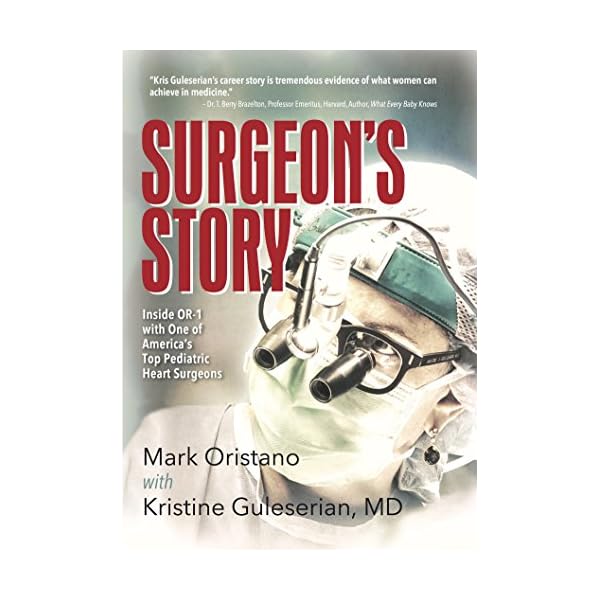
Claudia will be in the OR until 2:00 PM, along with a team of talented surgeons, nurses, techs, anesthesiologists, perfusionists and others. Dr. G, as she's known, is one of only nine women in the U.S. sub-specialty board certified by the American Board of Thoracic Surgeons to do what she's about to do -- take a scalpel sharper than a dozen razors, cut through eleven-month old Claudia's skin, saw open her breastbone and spread her ribcage apart in order to repair congenital defects threatening a malformed heart the size of a walnut. The real-life story about what it's like to spend 16 hours straight at the table, with no breaks for water, food, anything. After setting the scene, Oristano introduces some of the harrowing stories of Guleserian's patients, all young children who've suffered due to debilitating heart conditions. He interviews their families about their experiences, and one mother sums up the attitude of many parents of sick children when she wonders how to thank the woman who "literally saved your child's life." Oristano weaves these threads together to create a book that's both a biography and an in-depth look at the lives of patients and families who spend most of their time in hospitals, and who put all their hopes and fears in the hands of others. But it is the personal history of Dr G.coupled with the aura of her persona that make this book not only a tribute to an important surgeon but to a great humanist lady." The book combines Oristano's vivid and lively descriptions of Dr. Guleserian with her own reflections on her life, her medical training, her career, and above all, the full range of her emotions as she performs various extremely delicate operations on children who otherwise would almost certainly not survive.
Reviews
Find Best Price at Amazon"Once you read the first page of the book, I guarantee you won't be able to put it down. The book not only has a learning aspect with diagrams of heart defects along with detailed descriptions, but also a large emotional aspect describing what past experiences shaped the kind of surgeon she would later become."
"Gives insight into the life of a surgeon - the long years of training, long hours pre-, during and post-surgery...all the non-glamorous aspects of surgery as a profession."
"She was it my daughter's heart surgeon, but we met her while she was at Children's in Dallas."
"I laughed, I cried, I learned, I loved it."
"I loved the book, I highly recommend it!"
"The book combines Oristano's vivid and lively descriptions of Dr. Guleserian with her own reflections on her life, her medical training, her career, and above all, the full range of her emotions as she performs various extremely delicate operations on children who otherwise would almost certainly not survive. One cannot come away from reading this book without a greater appreciation for anyone who sacrifices so much to attend medical school and then go through internship and residency as well as years of training in her specialty on the road to attaining her goal."
"Mark Oristano's fantastic journey into the science of the human heart and one heroic doctor who repairs and replaces them, "Surgeons Story," is an emotionally moving and awe-inspiring look into the daily magic and miracles performed in the Pediatric Heart Intensive Care Unit at Children's Medical Center in Dallas. The result of this in-depth look at life in the operating rooms of Children's Medical is a stunning and immensely dedicated group of professionals who save lives like some mechanics change oil and a portrait of a passionate and truly human heart surgeon who may not make headlines, but does God's work under a very bright light. We also get to go deep into the family waiting rooms, as the author describes Dr. G's reassuring manner and then the long, painful delays with occasional interruptions to inform of progress during these surgeries."
Best AIDS

Upon it's first publication twenty years ago, And The Band Played on was quickly recognized as a masterpiece of investigative reporting. His work is critical of the medical and scientific communities' initial response and particularly harsh on the Reagan Administration, who he claims cut funding, ignored calls for action and deliberately misled Congress. "An exhaustive account of the early years of the AIDS crisis, this outlines the medical, social and political forces behind the epidemic's origin and rapid spread," reported PW .
Reviews
Find Best Price at Amazon"There was no sex education that i could remember and the only thing I do remember about AIDS was a gym teacher telling the class that if you are gay, your tongue will turn purple and you will die of AIDS."
"I remember hearing of a "homosexual disease" in early summer 1981, which was surprisingly early, especially for an Ohioan."
"I didn’t really understand the beginning of the HIV/AIDS crisis since I was too young."
"This book gives the story of the start of the aids epidemic and the missteps and prejudices by doctors, government, and media that led to this problem."
"The story successfully blends a number of elements: competitive jealousies within the scientific community (it's likely that the French actually discovered the AIDS virus, despite a neck-in-neck US researcher who claimed the glory), the politics of the slow-moving National Institutes of Health (NIH), Reagan's stubborn refusal to address the AIDS issue (he finally did so six years after the epidemic began--and after 20,850 citizens had died), and a number of incredibly touching stories of people with the disease. One thing I hadn't known was the schism within the gay community: some people recognizing the reality of the threat while others (understandably) discounted it as internalized homophobia or as a homophobic attempt at sexual repression. This book captures a period in time where, in the midst of sometimes slow-moving science, second-class-citizen politics, and a seemingly indifferent larger society, some dedicated people struggled to raise awareness, to change habits, and others, to face death with equanimity."
"The "Butcher's Bill," the tally of deaths to AIDS, is a steady drumbeat in each chapter as LGBT activists on the ground race to care for the dying as bureaucracy hampers research and recognition for the virus."
Best Cancer

Now an HBO® Film starring Oprah Winfrey and Rose Byrne #1 NEW YORK TIMES BESTSELLER. Her name was Henrietta Lacks, but scientists know her as HeLa. Amazon Best Books of the Month, February 2010 : From a single, abbreviated life grew a seemingly immortal line of cells that made some of the most crucial innovations in modern science possible. Henrietta Lacks was a mother of five in Baltimore, a poor African American migrant from the tobacco farms of Virginia, who died from a cruelly aggressive cancer at the age of 30 in 1951. A sample of her cancerous tissue, taken without her knowledge or consent, as was the custom then, turned out to provide one of the holy grails of mid-century biology: human cells that could survive--even thrive--in the lab. Meanwhile, Henrietta's family continued to live in poverty and frequently poor health, and their discovery decades later of her unknowing contribution--and her cells' strange survival--left them full of pride, anger, and suspicion. Jad Abumrad is host and creator of the public radio hit Radiolab , now in its seventh season and reaching over a million people monthly. Just the simple facts are hard to believe: that in 1951, a poor black woman named Henrietta Lacks dies of cervical cancer, but pieces of the tumor that killed her--taken without her knowledge or consent--live on, first in one lab, then in hundreds, then thousands, then in giant factories churning out polio vaccines, then aboard rocket ships launched into space. The cells from this one tumor would spawn a multi-billion dollar industry and become a foundation of modern science--leading to breakthroughs in gene mapping, cloning and fertility and helping to discover how viruses work and how cancer develops (among a million other things). But what's truly remarkable about Rebecca Skloot 's book is that we also get the rest of the story, the part that could have easily remained hidden had she not spent ten years unearthing it: Who was Henrietta Lacks? (1999)Main Street in downtown Clover, Virginia, where Henrietta was raised, circa 1930s.Margaret Gey and Minnie, a lab technician, in the Gey lab at Hopkins, circa 1951.Deborah with her children, LaTonya and Alfred, and her second husband, James Pullum, in the mid-1980s.In 2001, Deborah developed a severe case of hives after learning upsetting new information about her mother and sister.Deborah and her cousin Gary Lacks standing in front of drying tobacco, 2001.The Lacks family in 2009.
Reviews
Find Best Price at Amazon"This was a great book that I'm so glad I read."
"In “The Immortal Life of Henrietta Lacks,” Rebecca Skloot introduces us to the “real live woman,” the children who survived her, and the interplay of race, poverty, science and one of the most important medical discoveries of the last 100 years. Skloot narrates the science lucidly, tracks the racial politics of medicine thoughtfully and tells the Lacks family’s often painful history with grace. When science appears, it does so effortlessly, with explanations of cell anatomy or techniques like “fluorescence in situ hybridization” seamlessly worked into descriptions of the coloured wards of Johns Hopkins hospital to Lacks’s hometown of Clover, Virginia. And yet for all its grand scope, skilful writing and touching compassion, there is one simple element that makes As a final thought, I was struck by the parallels between Henrietta’s cells and her story."
"This decisive, detailed, superbly written history of the HeLa cells that have played such a highly significant role in many arenas of medical research delves deeply into both the scientific and personal stories of Henrietta Lacks and her family."
"A legacy, kept hidden for over 20+ years from Henrietta Lack's family and those of us,who are not privy to the inner circles of the medical and science community."
"Skloot did a terrific job spending years gathering information from the family and researching scientific discoveries related to the cells."
"Incredible true story of a woman's legacy, from the usage of her DNA without consent, to the medical miracles her stolen contribution made, to the injustices her family faced decades later."
"The book, The Immortal Life of Henrietta Lacks was a very interesting and informative read."
"One of the most amazing books I have ever read."
Best Pain Management
Dr. John E. Sarno's groundbreaking research on TMS (Tension Myoneural Syndrome) reveals how stress and other psychological factors can cause back pain-and how you can be pain free without drugs, exercise, or surgery. Healing Back Pain promises permanent elimination of back pain without drugs, surgery, or exercise. It should have been titled Understanding TMS Pain , because it discusses one particular cause of back pain--Tension Myositis Syndrome (TMS)--and isn't really a program for self-treatment, with only five pages of action plan (and many more pages telling why conventional methods don't work).
Reviews
Find Best Price at Amazon"John Sarno's diagnosis is the truth, medicine is WAAY far behind in understanding the connection between emotions and illness, especially chronic pain. My biggest advice is HANG IN THERE, the book says it takes 6-8 weeks to heal completely and it has taken me much longer than that, don't be discouraged if you are still in pain after that time frame. Feed yourself POSITIVE ENERGY as much as you can, believe in your healing, no matter what the pain is telling you. Listen to My Morning Jacket, spend time in nature, get off Twitter and Instagram and all that noise, pet your dog, think about great things that have happened to you. I would oftentimes feel the repressed rage boiling up to the surface as I wrote. Lay on your bed and breathe deeply into your belly, make a sound as you exhale, this helps to rouse the old emotions, bringing them to the surface. I was afraid I would never heal, but the fact that you can get it moving up and down like that at all shows that things are changing. Keep practicing, hold strong, and eventually the pain starts to lose the fight."
"I've spent tens of thousands of dollars on different kinds of alternative health therapies and spent years of my life going to regular doctors and specialists to try to get back to where I was in life. Sometime down the line, maybe 100 years from now, Dr. Sarno will be remembered as one of the most influential and greatest doctors this planet has ever seen."
"I do know that it was after a year of entirely disabling, perplexing, and shifting symptoms that culminated with a "herniated disc" diagnosis, an epidural steroid injection that made things worse, and ever-increasing dispair that I would ever have my once very active life back. Since these reviews are what led me to read this book (despite the fact that I'm scientifically minded and inclined to believe and trust doctors in general, maybe too much), I thought I would add my own story. After a backpacking trip in November 2010, I developed severe, debilitating knee pain. It was a blissful three days in the wilderness, and on the hike out (i.e. back to my job as a corporate lawyer), the knee pain started. I waited a week, thinking it was an overuse injury related to my spin classes, hiking, etc., and when it did not get better, I went in for an MRI. The first orthopedic surgeon diagnosed me with "knee strain" and sent me to physical therapy, which I ended up doing twice a week for six months. Two months later, things were not improved, so I switched doctors and ordered a second MRI. My knee was actually warm to the touch, which (of course) led me to believe that there was some physical injury. My new doctor, feeling the extreme soreness I had on my hip and outside of my quad and outside of my knee, diagnosed me with IT (iliotibial band) syndrome. At some point, my physical therapist suggested that maybe I had a pinched nerve. The back MRI showed a herniated L4/L5 vertebrae (diagnosed by my new spine surgeon), and I scheduled an epidural. I went for the epidural, and afterward I couldn't sit, stand, or lie comfortably. While I waited for it to arrive, I read other things about Sarno, and about his theories, on the internet. I am pain free when six weeks ago I was on disability and headed for back surgery."